The 411 on Vitamin B12

Vitamin B12 is not made by plants or animals, but by microbes blanketing the earth. We presumably used to get B12 when we drank out of a mountain stream or sipped water from a well, based on studies showing vegetarians in developing countries who drink purified water appear to be at higher risk. Now, we typically chlorinate our water supply to kill off any bacteria. So, most of us don’t get a lot of B12 in our water anymore, but we don’t get a lot of cholera, either. That’s a benefit of living in a much more sanitary world. Vegetarians living in slums in lesser developed regions appear to have fewer B12 problems, though. Basically, the more hygienic our meals, the less B12 we get. Our fellow great apes, like gorillas, get all the B12 they need eating their own feces. I prefer supplements. So, how much should we get, which type is best, and how can we tell if we have a B12 deficiency?

The Benefits of Vitamin B12

We cannot mess around with getting vitamin B12. If we don’t get enough, we may face a wide range of disorders of the gut, blood, brain, and nervous system.

Many case reports detail ways B12 can be life-changing. For instance, a 47-year-old woman had a five-year history of psychosis. She had been treated with antipsychotic drugs and was cognitively impaired and reported visual hallucinations. After her mother revealed that the patient had been following a strict vegan diet for seven years, vitamin B12 supplementation was started and her symptoms went away. She had lost years of her life lost in a psychotic haze—apparently just because she didn’t want to take a supplement.

Vitamin B12 supplementation is mandatory for anyone eating plant-based diets and, as I’ll discuss later, for every one of us from age 65.

Vitamin B12 Deficiency: Symptoms and Treatment

As I discuss in my video The Symptoms of Vitamin B12 Deficiency, it can cause everything from abdominal distention and chronic diarrhea to shortness of breath and swollen, red, painful feet. It can also cause Parkinson’s syndrome–like symptoms, skin darkening (that resolved with supplementation), and bilateral useless hand syndrome, a condition I had never heard of before.

Being deficient in B12 may also manifest in a variety of neurological symptoms—for example, numbness and tingling in the hands and feet, muscle cramps, dizziness, cognitive disturbances, difficulty walking, and erectile dysfunction—as well as fatigue and such psychiatric symptoms as depression along with psychosis.

How can B12 deficiency be treated? Either with B12 supplements or B12-fortified foods.

Suggested Vitamin B12 Dosage

The official position of associations and governmental agencies is categorical and unequivocal: Supplementation of vitamin B12 is required for anyone on a vegetarian diet—even when consuming eggs and dairy—and I would extend that to include flexitarians eating only a few servings of meat a week.

Who else should ensure they have a regular, reliable source of vitamin B12 by supplementing their diet with B12 supplements or B12-fortified foods? Those who’ve had bariatric surgery (which can sometimes impair absorption), those eating plant-based diets, and everyone from the age of 65.

As I discuss in my video The Optimal Vitamin B12 Dosage for Adults, adults younger than 65 should take at least one 2,000 mcg (µg) supplement once a week, ideally as a chewable, sublingual, or liquid supplement taken on an empty stomach, or at least one 50 mcg (µg) daily supplement. As we age, our ability to absorb vitamin B12 may decline. So, for those 65 and older, the supplementation should probably be increased up to 1,000 mcg (µg) each day, as I discuss in my video The Optimal Vitamin B12 Dosage for Kids, Pregnancy, and Seniors.

Pregnant and breastfeeding women can just follow my 50 mcg (µg) a day recommendation for nonpregnant adults or take 2,000 mcg (µg) a week, perhaps split into two doses to boost absorption. After infants are weaned, they can start on 5 mcg (µg) a day. From ages 4 through 10, kids can take half the adult dose of 25 mcg (µg) a day, then they can take 50 mcg (µg) a day or 2,000 mcg (µg) a week from age 11.

Note that these doses are specific to cyanocobalamin, the preferred supplemental form of vitamin B12. (I discuss cyanocobalamin versus methylcobalamin below.)

The Best Food Sources of Vitamin B12

If you need supplemental B12 but don’t want to take supplements, you must rely on B12-fortified foods––eating three separate servings of B12-fortified foods a day, each ideally containing at least 190 percent of the “Daily Value” on the product’s nutrition facts label. As I discuss in my video The Healthiest Food Sources of Vitamin B12, B12-fortified nutritional yeast is a common food source, and there are all sorts of other B12-fortified options on the market, including plant-based meats and milks, breakfast cereals, and even energy drinks. 

The Worst Food Sources of Vitamin B12

What about various algae-type products, like spirulina, which are advertised as natural vitamin B12 sources? Not only do they not actually contain B12 that’s useable for humans, they may contain B12 analogues—look-alike molecules that can even block your absorption of real B12!

Can Vitamin B12 Cause Side Effects?

You don’t have to worry about taking too much vitamin B12. It’s water-soluble. So, at worst, you’ll just end up with more expensive pee. Injectable forms, though, can trigger acne.

Methylcobalamin vs. Cyanocobalamin

There are two main types of vitamin B12: methylcobalamin, marketed as methyl B12, and cyanocobalamin, typically marketed as just vitamin B12. Methylcobalamin is more expensive so it must be better, right? Wrong.

As I discuss in my video The Best Type of Vitamin B12: Cyanocobalamin or Methylcobalamin, cyanocobalamin is the most used form, thanks to its high stability. Methylcobalamin is less stable and particularly susceptible to being destroyed after exposure to light.

The one major exception may be kidney failure, though. Methylcobalamin may be better for those with impaired kidney function. It’s been speculated that oral methylcobalamin or injected hydroxycobalamin may also be preferable in smokers, though it has yet to be confirmed.

from NutritionFacts.org https://ift.tt/dBky86Z
via IFTTT
Roast Beef

This Hands-Off Medium-Rare Roast Beef recipe is a game-changer – easy to make and irresistibly delicious. It’s my new roast beef staple! Hands-Off Medium-Rare Roast Beef Discover the effortless charm of this Hands-Off Medium-Rare Roast Beef recipe – it’s now my go-to method for perfect roast beef every time. The simplicity and delectable results have

from Skinnytaste https://ift.tt/CMmHz5f
via IFTTT

Coconut Cookies

These Coconut Cookies are a hybrid of coconut macaroons and a meringue cookie, but with added corn flake crumbs. Delicious and gluten-free! To-Die-For Coconut Cookies The first time I made these meringues, I nearly inhaled them right out of the oven! A few of my other favorite varieties of meringue cookies include Sprinkle Dipped Meringues,

from Skinnytaste https://ift.tt/MPqmial
via IFTTT

The 4 Best Meat Tenderizers of 2023

It’s always frustrating when you work hard on one of your favorite recipes (like my yummy Air Fryer Breaded Cubed Steak, for instance), only to find out the meat has come out  tough and chewy. It definitely takes away from the meal, which is why I always keep one of the best meat tenderizers in

from Skinnytaste https://ift.tt/VES2dmq
via IFTTT

Free 7 Day Healthy Meal Plan (Dec 18-24)

A free 7-day, flexible weight loss meal plan including breakfast, lunch and dinner ideas and a shopping list. All recipes include macros and Weight Watchers points. Free 7 Day Healthy Meal Plan (Dec 18-24) Still needing some last minute holiday sweet treats? My Cranberry Bliss Bars or these Peppermint Meringues are sure to fit the bill! Looking for some meatless recipes for Christmas Eve?

from Skinnytaste https://ift.tt/Y8iv64U
via IFTTT

Cacio e Pepe Cheese Crisps

These Cacio e Pepe Cheese Crisps are fun and fast to make for an easy, low- carb holiday appetizer with only three ingredients! Cacio e Pepe Cheese Crisps Cacio e Pepe is an Italian pasta dish with Pecorino Romano cheese and lots of black pepper. I created these cheese crisps as a simple appetizer with

from Skinnytaste https://ift.tt/aTEfFo2
via IFTTT

Keto Diets and Diabetes 

Ketogenic diets are put to the test for diabetes reversal. 
 
As you can see at the start of my video Does a Ketogenic Diet Help Diabetes or Make It Worse?, ketogenic diets can lower blood sugars better than conventional diets. So much so, in fact, that there is a keto product company that claims ketogenic diets can “reverse” diabetes. However, they are confusing the symptom (high blood sugars) with the disease (carbohydrate intolerance). People with diabetes can’t properly handle carbohydrates, and this manifests as high blood sugars. Clearly, if you stick to eating mostly fat, your blood sugars will stay low, but you may be actually making the underlying disease worse at the same time. 
 
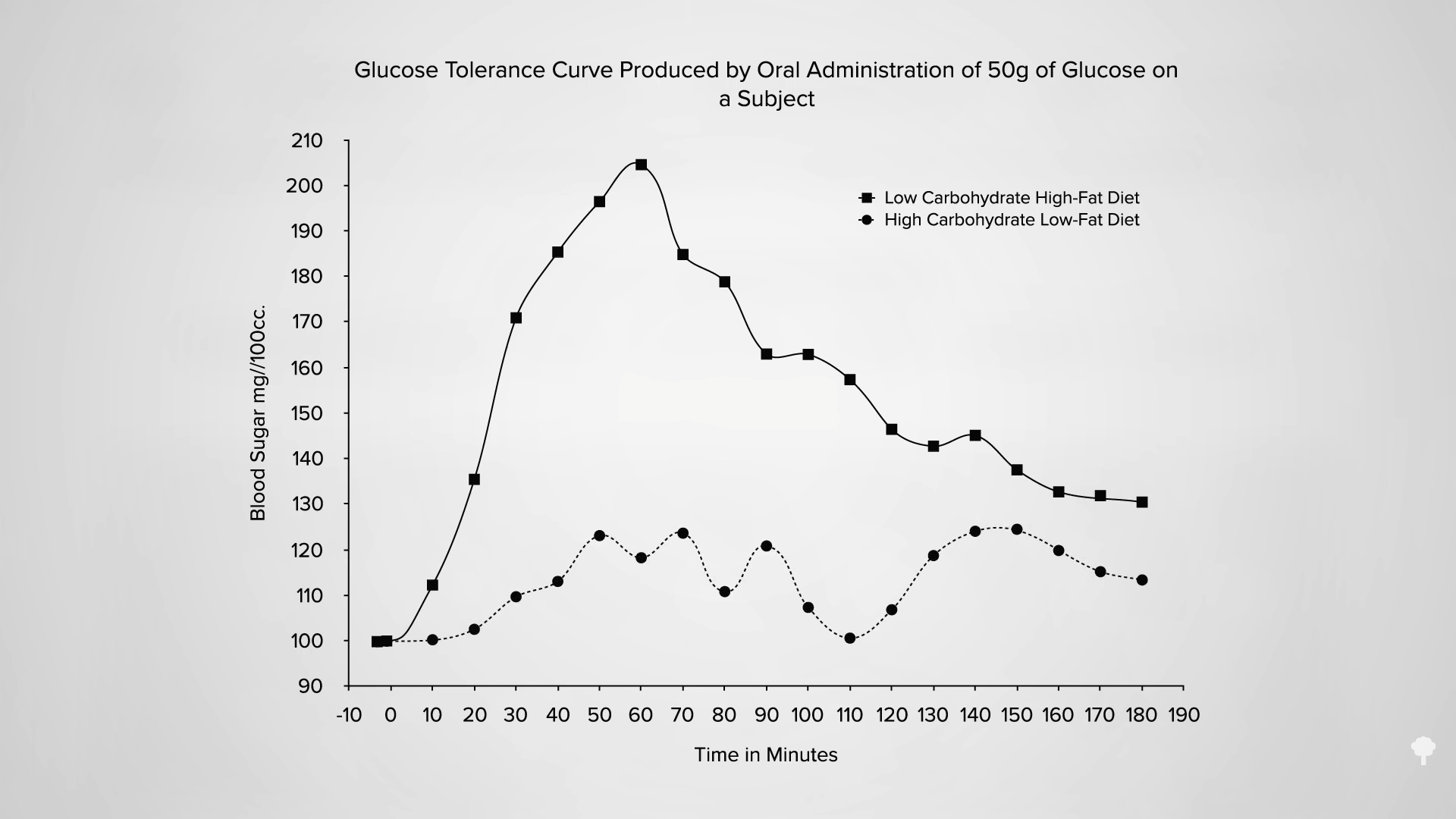
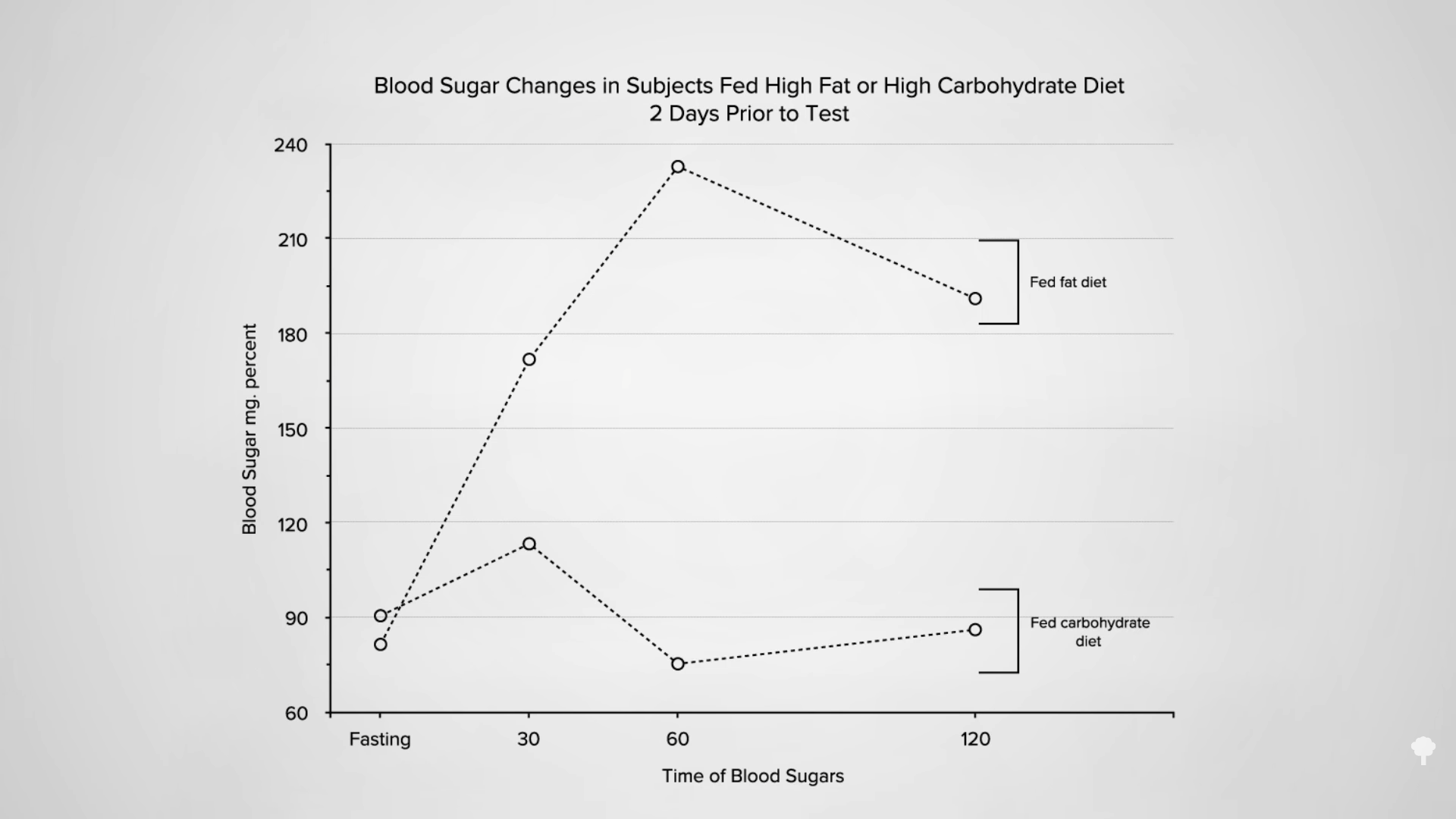
We’ve known for nearly a century that if you put people on a ketogenic diet, their carbohydrate intolerance can skyrocket within just two days. Below and at 0:46 in my video, you can see a graph from the study showing the blood sugar response two days after eating sugar. On a high-carb diet, blood sugar response is about 90 mg/dL. But, the blood sugar response to the same amount of sugar after a high-fat diet is about 190 mg/dL, nearly double. The intolerance to carbohydrates skyrocketed on a high-fat diet. 

After one week on an 80 percent fat diet, you can quintuple your blood sugar spike in reaction to the same carb load compared to a week on a low-fat diet, as you can see in the graph below and at 1:12 in my video

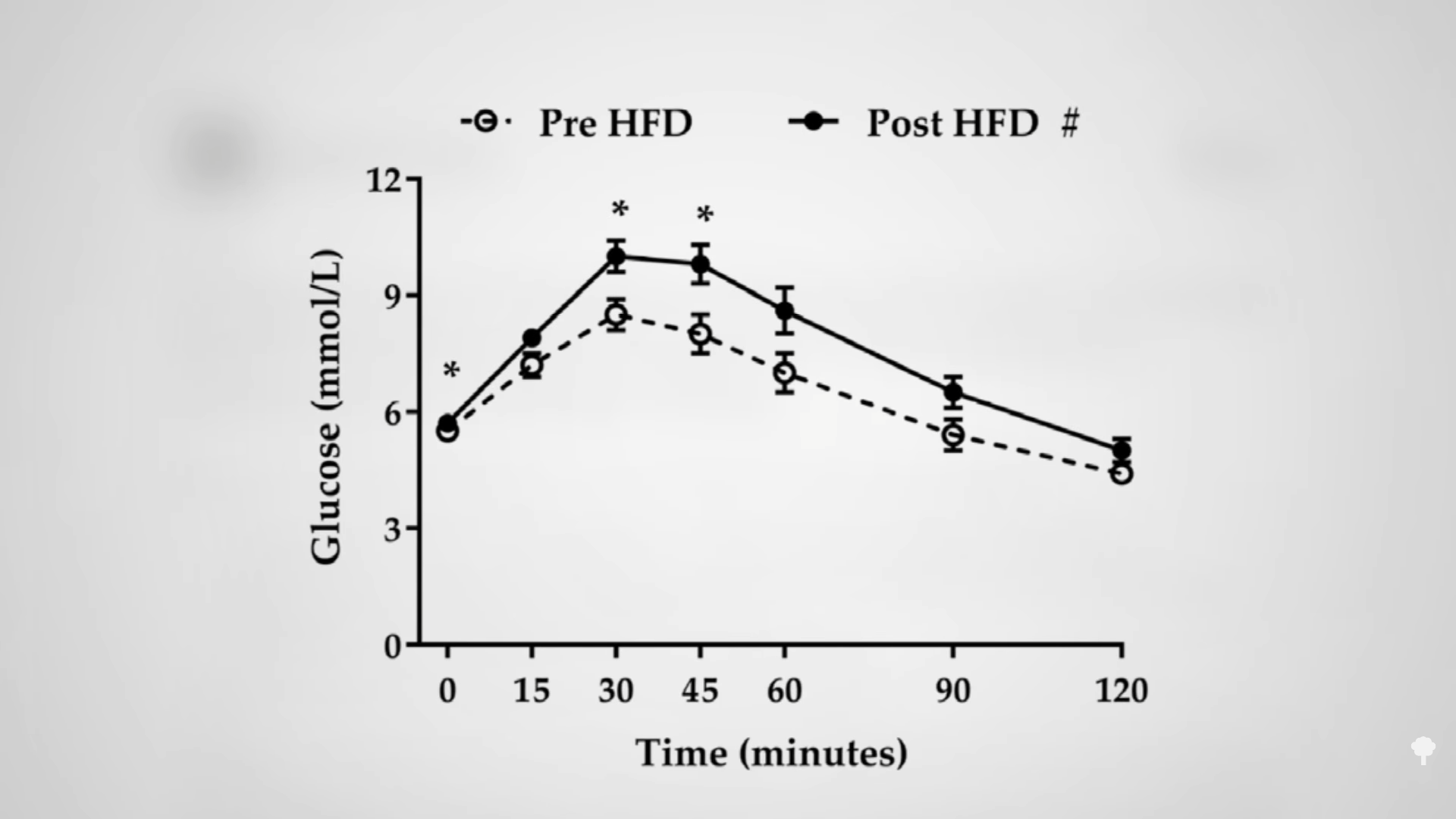
Even a single day of excessive dietary fat intake can do it, as you can see in the graph below and at 1:26 in my video. If you’re going in for a diabetes test, having a fatty dinner the night before can adversely affect your results. Just one meal high in saturated fat can make carbohydrate intolerance, the cause of diabetes, worse within four hours. 


Given enough weight loss by any means, whether from cholera or bariatric surgery, type 2 diabetes can be reversed, but a keto diet for diabetes may not just be papering over the cracks, but actively throwing fuel on the fire. 
 
I’ve been trying to think of a good metaphor. It’s easy to come up with things that just treat the symptoms without helping the underlying disease, like giving someone with pneumonia aspirin for their fever instead of antibiotics. However, a keto diet for diabetes is worse than that because it may treat the symptoms while actively worsening the disease. It may be more like curing the fever by throwing that pneumonia patient out into a snow bank or “curing” your amputated finger by amputating your hand. One of the co-founders of masteringdiabetes.org suggested it’s like a CEO who makes their bad bottom line look better by borrowing tons of cash. The outward numbers look better, but on the inside, the company is just digging itself into a bigger hole. 
 
Do you remember The Club, that popular car anti-theft device that attaches to the steering wheel and locks it in place so the steering column can only turn a few inches? Imagine you’re in a car at the top of a hill with the steering wheel locked. Then, the car starts rolling down the hill. What do you do? Imagine there’s also something stuck under your brake pedal. The keto-diet equivalent response to this situation is who cares if you’re barreling down into traffic with a locked steering wheel and no brakes—just stick to really straight deserted roads without any stop signs or traffic lights. If you do that, problem solved! The longer you go, the more speed you’ll pick up. If you should hit a dietary bump in the road or start to veer off the path, the consequences could get more and more disastrous over time. However, if you stick to the keto straight and narrow, you’ll be a-okay! In contrast, the non-keto response would be to just unlock the steering wheel and dislodge whatever’s under your brake. In other words, fix the underlying problem instead of just whistling past—and then into—the graveyard. 
 
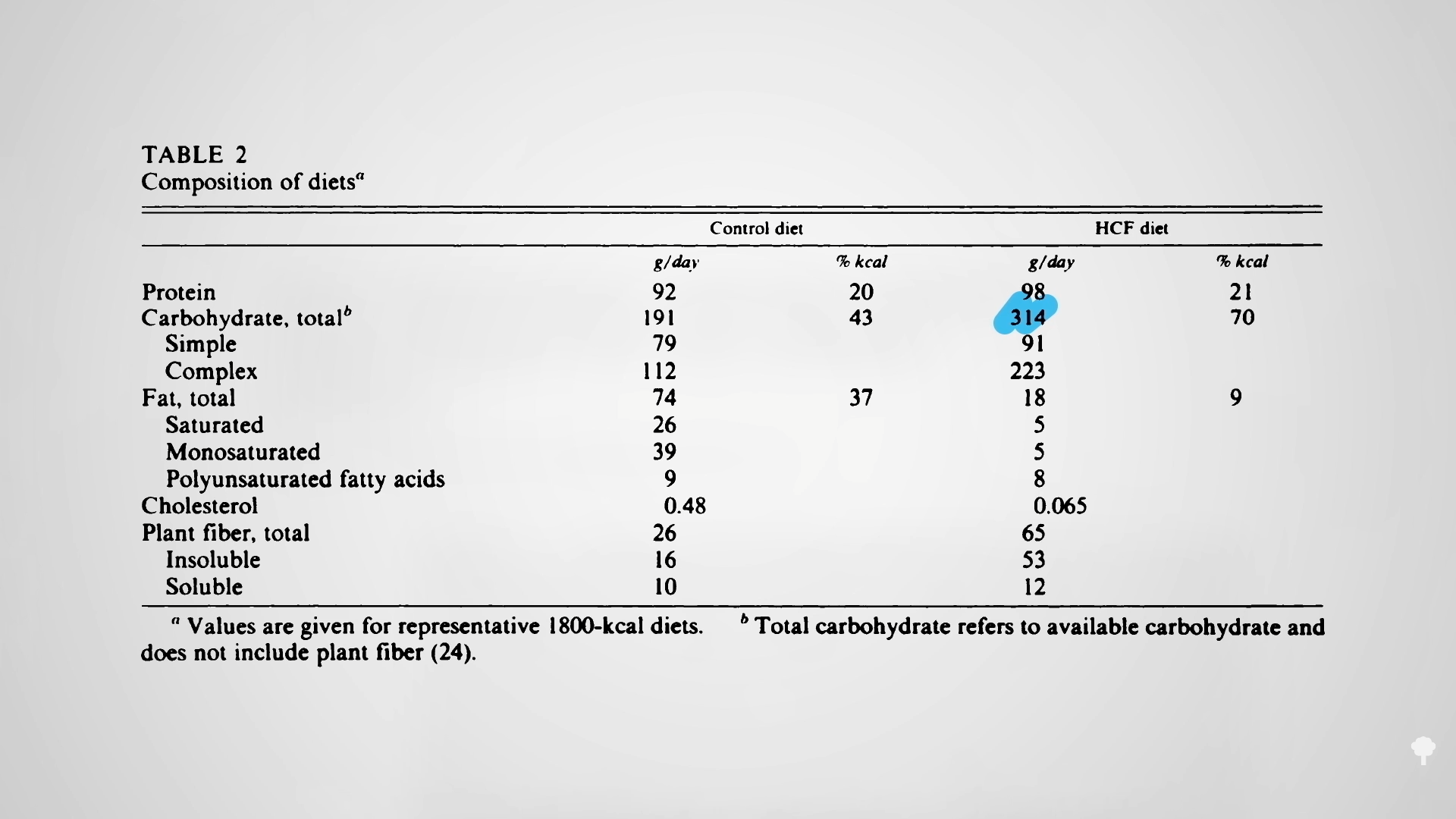
The reason keto proponents claim they can “reverse” diabetes is they can successfully wean type 2 diabetics off their insulin. That’s like faith-healing someone out of the need for a wheelchair by making them stay in bed the rest of their life. No need for a wheelchair if you never move. Their carbohydrate intolerance isn’t gone. Their diabetes isn’t gone. In fact, it could be just as bad or even worse. Type 2 diabetes is reversed when you are weaned off insulin while eating a normal diet like everyone else. Then and only then do you not have diabetes anymore. A true diabetes reversal diet, as you can see below and at 4:58 in my video, is practically the opposite of a ketogenic diet: getting diabetics off their insulin within a matter of weeks by eating more than 300 grams of carbs a day! 
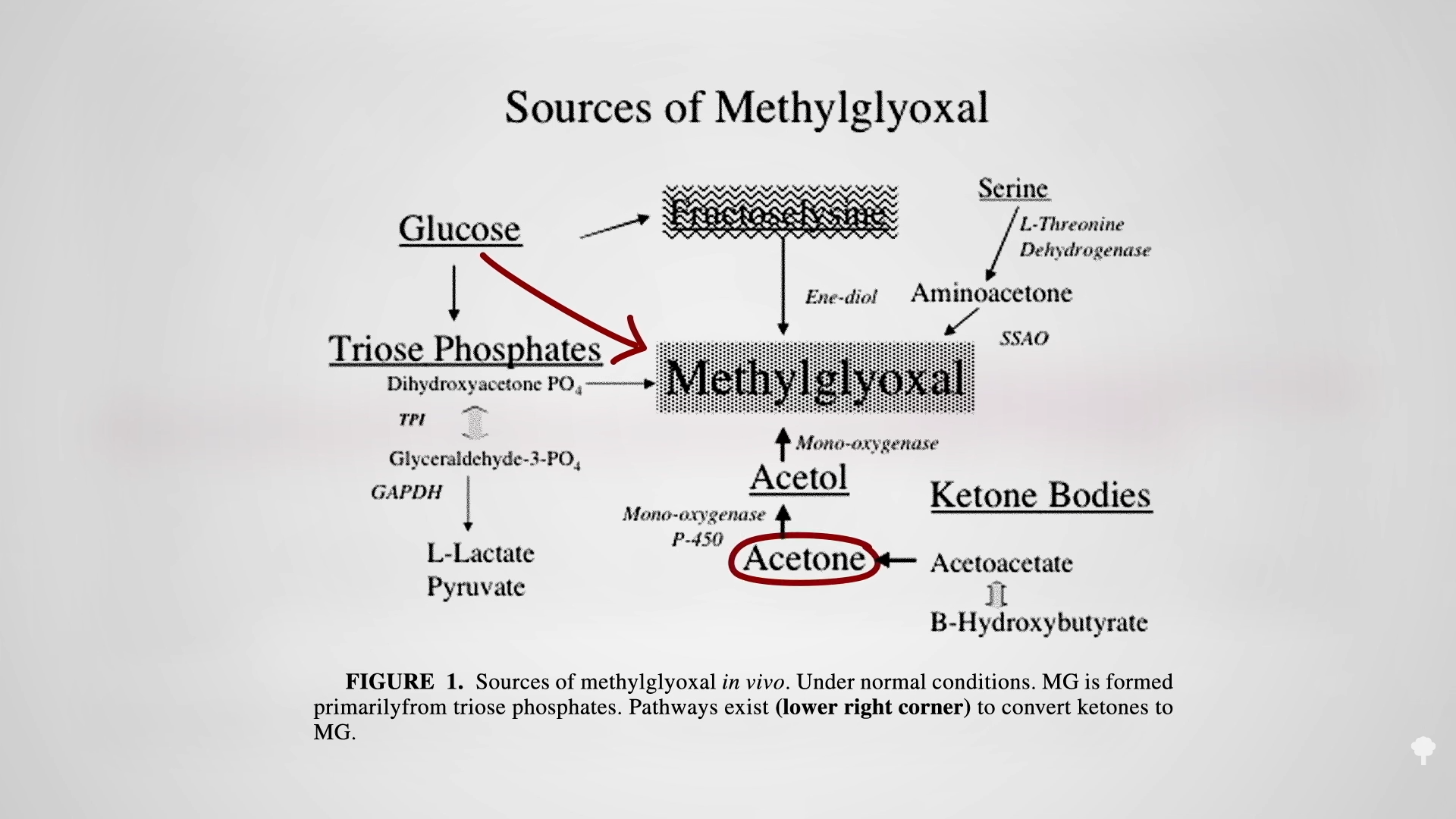
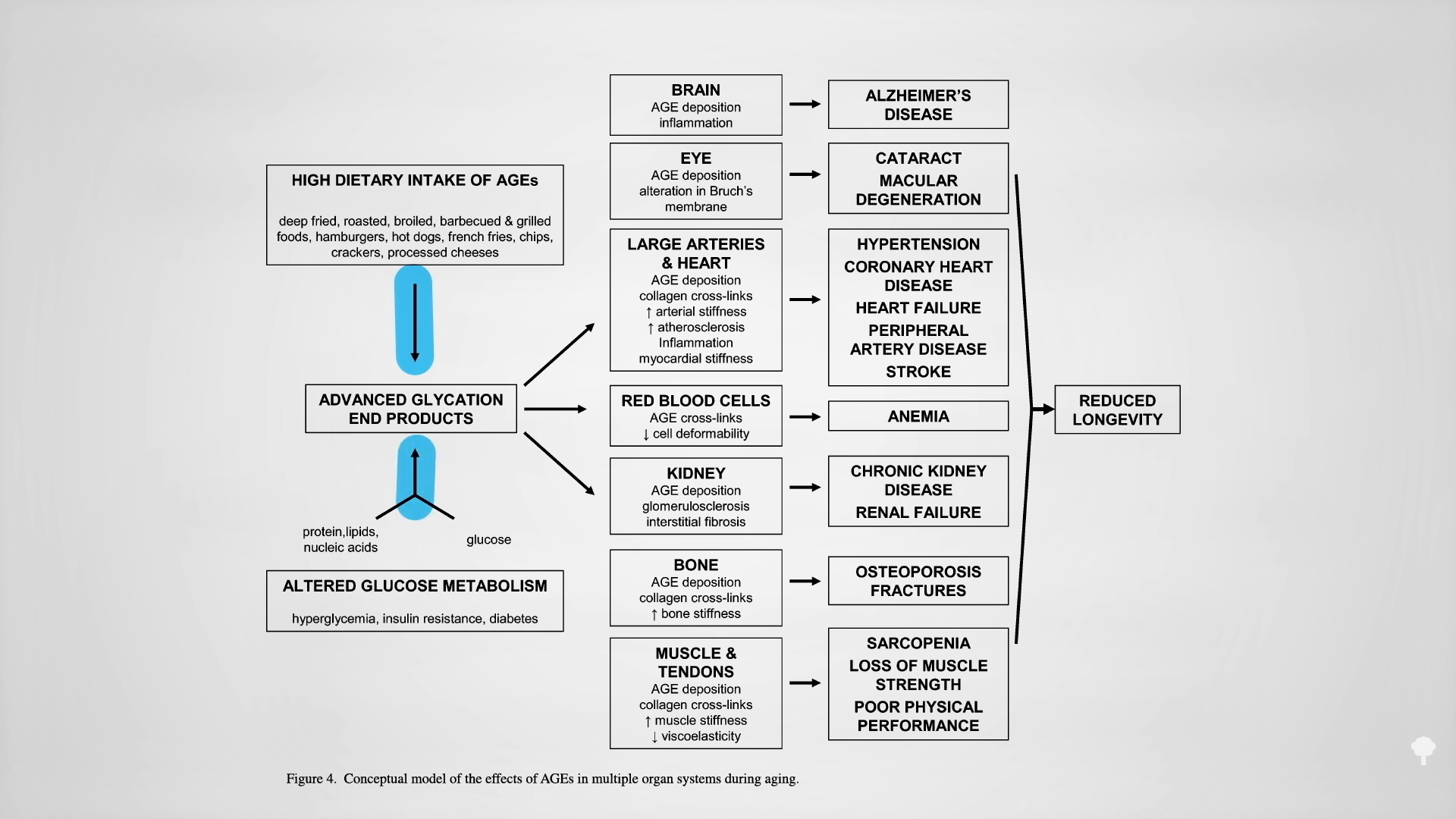
The irony doesn’t stop there. One of the reasons people with diabetes suffer such nerve and artery damage is due to an inflammatory metabolic toxin known as methylglyoxal, which forms at high blood sugar levels. Methylglyoxal is the most potent creator of advanced glycation end products (AGEs), which are implicated in degenerative diseases—from Alzheimer’s and cataracts to kidney disease and strokes, as you can see below and at 5:31 in my video
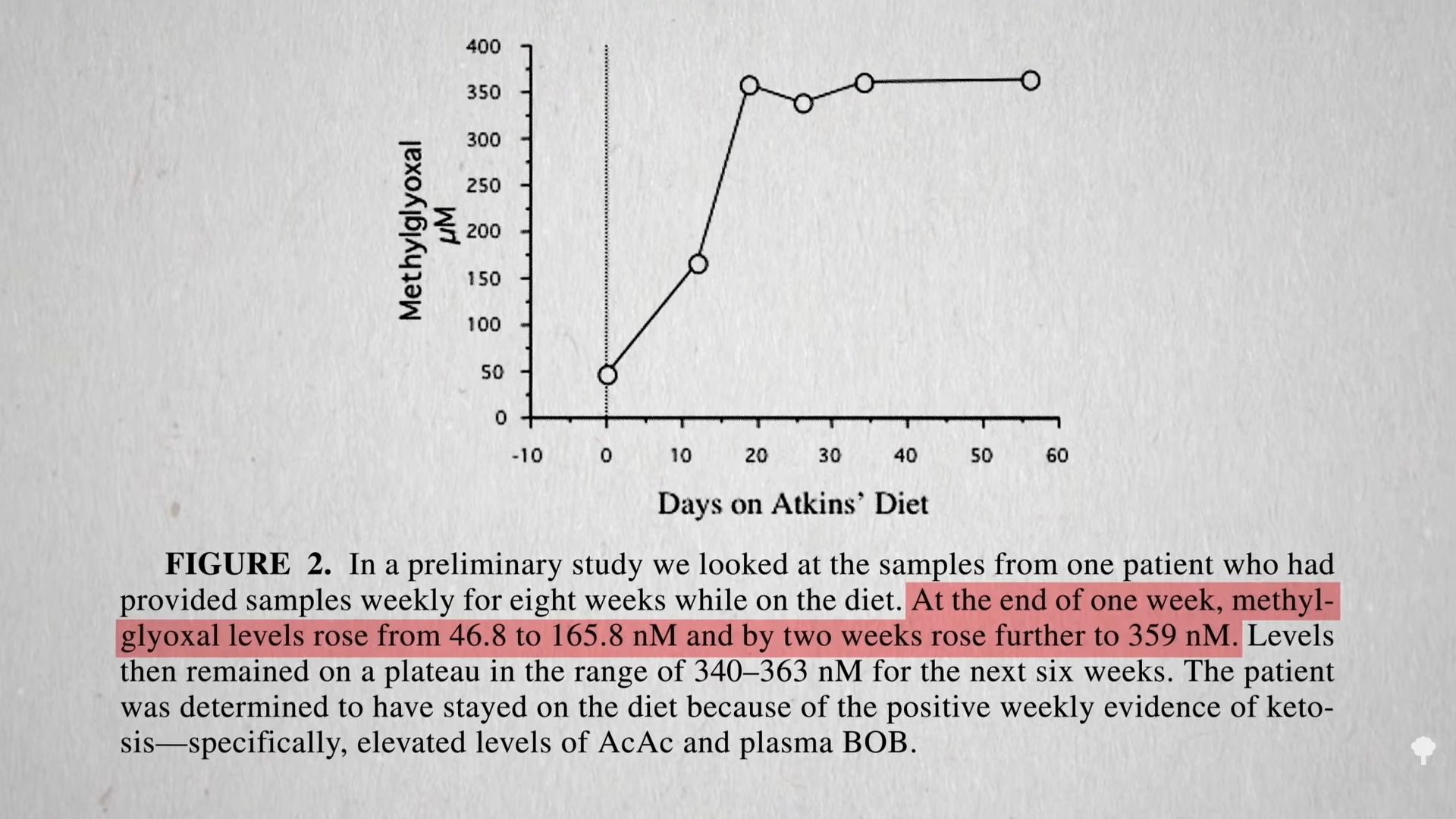
You get AGEs in your body from two sources: You can eat them preformed in your diet or make them internally from methylglyoxal if you have high blood sugar levels. On a keto diet, one would expect high exposure to preformed AGEs, since they’re found concentrated in animal-derived foods high in fat and protein, but we would expect less internal, new formation due to presumably low levels of methylglyoxal, given lower blood sugars from not eating carbs. Dartmouth researchers were surprised to find more methylglyoxal! As shown in the graph below and at 6:11 in my video, a few weeks on the Atkins diet led to a significant increase in methylglyoxal levels. Those in active ketosis did even worse, doubling the level of this glycotoxin in their bloodstream. 

It turns out that high sugars may not be the only way to create this toxin, as you can see below and at 6:24 in my video. One of the ketones you make on a ketogenic diet is acetone (known for its starring role in nail polish remover). Acetone does more than just make keto dieters fail breathalyzer tests, “feel queasy and light-headed, and develop what’s been described as ‘rotten apple breath.’” Acetone can oxidize in the blood to form acetol, which may be a precursor for methylglyoxal.

That may be why keto dieters can end up with levels of this glycotoxin as high as those with out-of-control diabetes, which can cause the nerve damage and blood vessel damage you see in diabetics. That’s another way keto dieters can end up with a heart attack. The irony of treating diabetes with a ketogenic diet may extend beyond just making the underlying diabetes worse, but by mimicking some of the disease’s dire consequences. 

This is part of a seven-video series on keto, which you can find in related videos below.

I also recently tackled diabetes.

from NutritionFacts.org https://ift.tt/4gDnUZC
via IFTTT

Escarole Pasta with Sausage and Peppers

Pasta with Italian Chicken Sausage, Peppers, and Escarole is a colorful, flavorful, 30-minute dish your whole family will love! Escarole Pasta with Sausage and Peppers This escarole pasta dish with sausage and peppers is quick and delicious, ready in less than 30 minutes making this a wonderful weeknight meal! If you’ve never cooked with escarole,

from Skinnytaste https://ift.tt/RAUyB57
via IFTTT

Muscle Shrinkage and Bone Loss on Keto Diets? 

Ketogenic diets have been found to undermine exercise efforts and lead to muscle shrinkage and bone loss. 
 
An official International Society of Sports Nutrition position paper covering keto diets notes the “ergolytic effect” of keto diets on both high- and low-intensity workouts. Ergolytic is the opposite of ergogenic. Ergogenic means performance-boosting, whereas ergolytic means performance-impairing. 
 
For nonathletes, ketosis may also undermine exercise efforts. Ketosis was correlated with increased feelings of “perceived exercise effort” and “also significantly correlated to feelings of ‘fatigue’ and to ‘total mood disturbance,’” during physical activity. “Together, these data suggest that the ability and desire to maintain sustained exercise might be adversely impacted in individuals adhering to ketogenic diets for weight loss.” 
 
You may recall that I’ve previously discussed that shrinkage of measured muscle mass among CrossFit trainees has been reported. So, a ketogenic diet may not just blunt the performance of endurance athletes, but their strength training as well. As I discuss in my video Keto Diets: Muscle Growth and Bone Density, study participants performed eight weeks of the battery of standard upper and lower body training protocols, like bench presses, pull-ups, squats, and deadlifts, and there was no surprise. You boost muscle mass—unless you’re on a keto diet, in which case there was no significant change in muscle mass after all that effort. Those randomized to a non-ketogenic diet added about three pounds of muscle mass, whereas the same amount of weight lifting on the keto diet tended to subtract muscle mass by about 3.5 ounces on average. How else could you do eight weeks of weight training and not gain a single ounce of muscle on a ketogenic diet? Even keto diet advocates call bodybuilding on a ketogenic diet an “oxymoron.” 
 
What about bone loss? Sadly, bone fractures are one of the side effects that disproportionately plague children placed on ketogenic diets, along with slowed growth and kidney stones. Ketogenic diets may cause a steady rate of bone loss as measured in the spine, presumed to be because ketones are acidic, so keto diets can put people in what’s called a “chronic acidotic state.” 
 
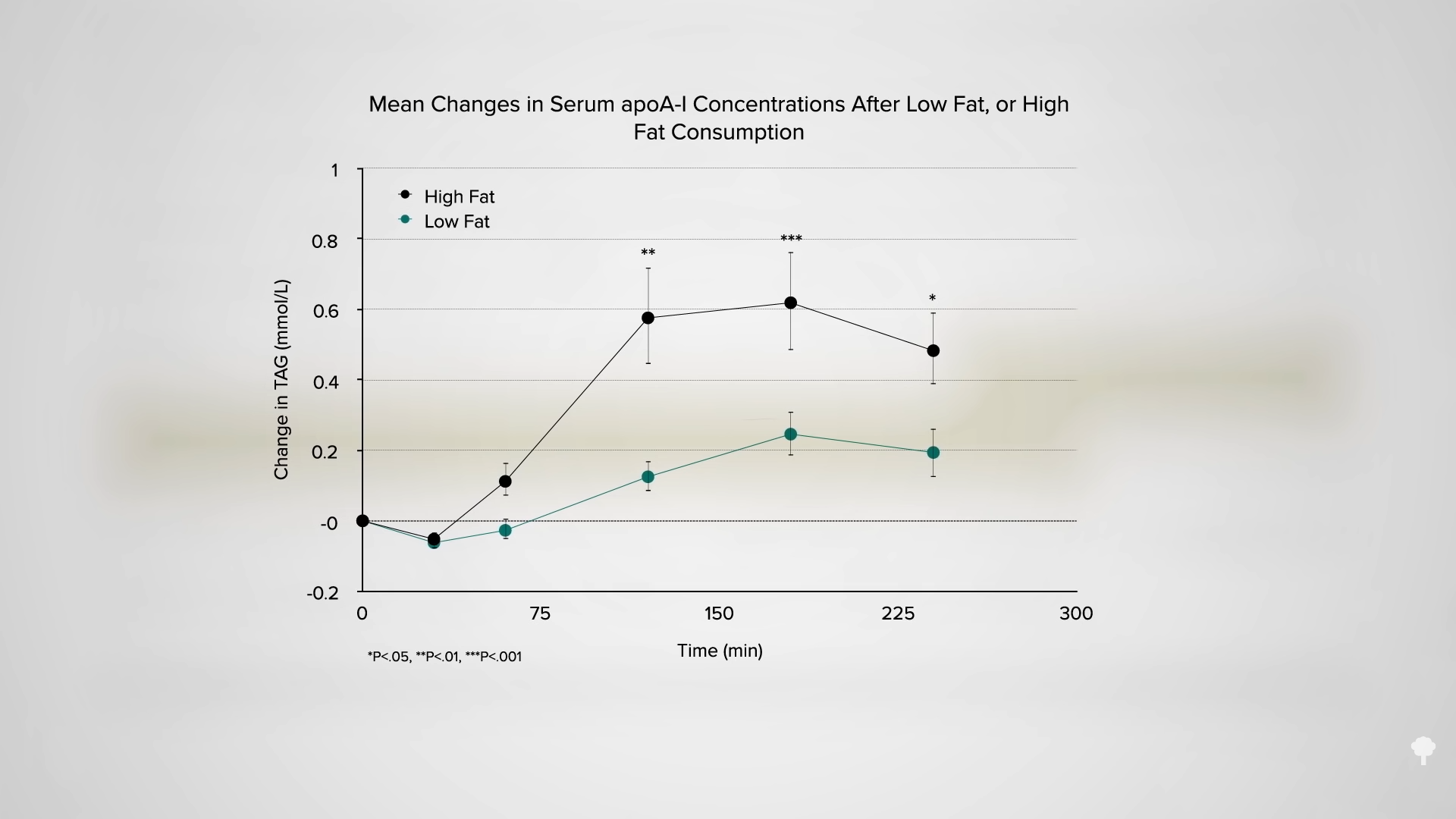
Some of the case reports of children on keto diets are truly heart-wrenching. One nine-year-old girl seemed to get it all, including osteoporosis, bone fractures, and kidney stones, then she got pancreatitis and died. Pancreatitis can be triggered by having too much fat in your blood. As you can see in the graph below and at 2:48 in my video, a single high-fat meal can cause a quintupling of the spike in triglycerides in your bloodstream within hours of consumption, which can put you at risk for inflammation of the pancreas.  

The young girl had a rare genetic disorder called glucose transporter deficiency syndrome. She was born with a defect in ferrying blood sugar into her brain. That can result in daily seizures starting in infancy, but a ketogenic diet can be used as a way to sneak fuel into the brain, which makes a keto diet a godsend for the 1 in 90,000 families stricken with this disorder.

As with anything in medicine, it’s all about risks versus benefits. As many as 30 percent of patients with epilepsy don’t respond to anti-seizure drugs. Unfortunately, the alternatives aren’t pretty and can include brain surgery that implants deep electrodes through the skull or even removes a lobe of your brain. This can obviously lead to serious side effects, but so can having seizures every day. If a ketogenic diet can help with seizures, the pros can far outweigh the cons. For those just choosing a diet to lose weight, though, the cost-benefit analysis would really seem to go the other way. Thankfully, you don’t need to mortgage your long-term health for short-term weight loss. We can get the best of both worlds by choosing a healthy diet, as I discussed in my video Flashback Friday: The Weight Loss Program That Got Better with Time.
 
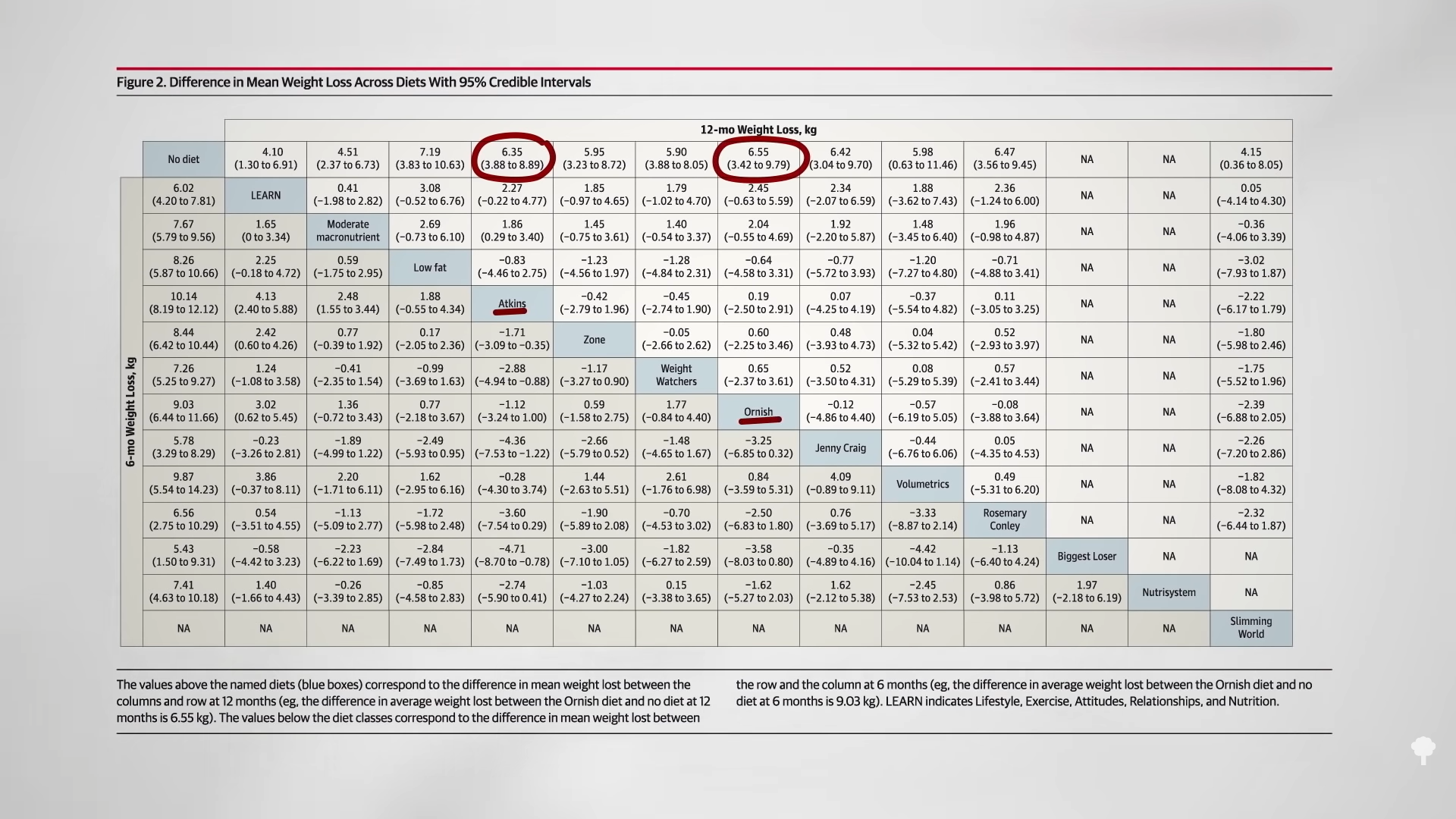
Remember the study that showed the weight loss was nearly identical in those who had been told to eat the low-carb Atkins diet for a year and those told to eat the low-fat Ornish diet, as seen below and at 4:18 in my video? The authors concluded, “This supports the practice of recommending any diet that a patient will adhere to in order to lose weight.” That seems like terrible advice. 

There are regimens out there like “The Last Chance Diet which consisted of a low-calorie liquid formula made from leftover byproducts from a slaughterhouse [that] was linked to approximately 60 deaths from cardiovascular-related events.” An ensuing failed lawsuit from one widower laid the precedent for the First Amendment protection for those who produce deadly diet books. 

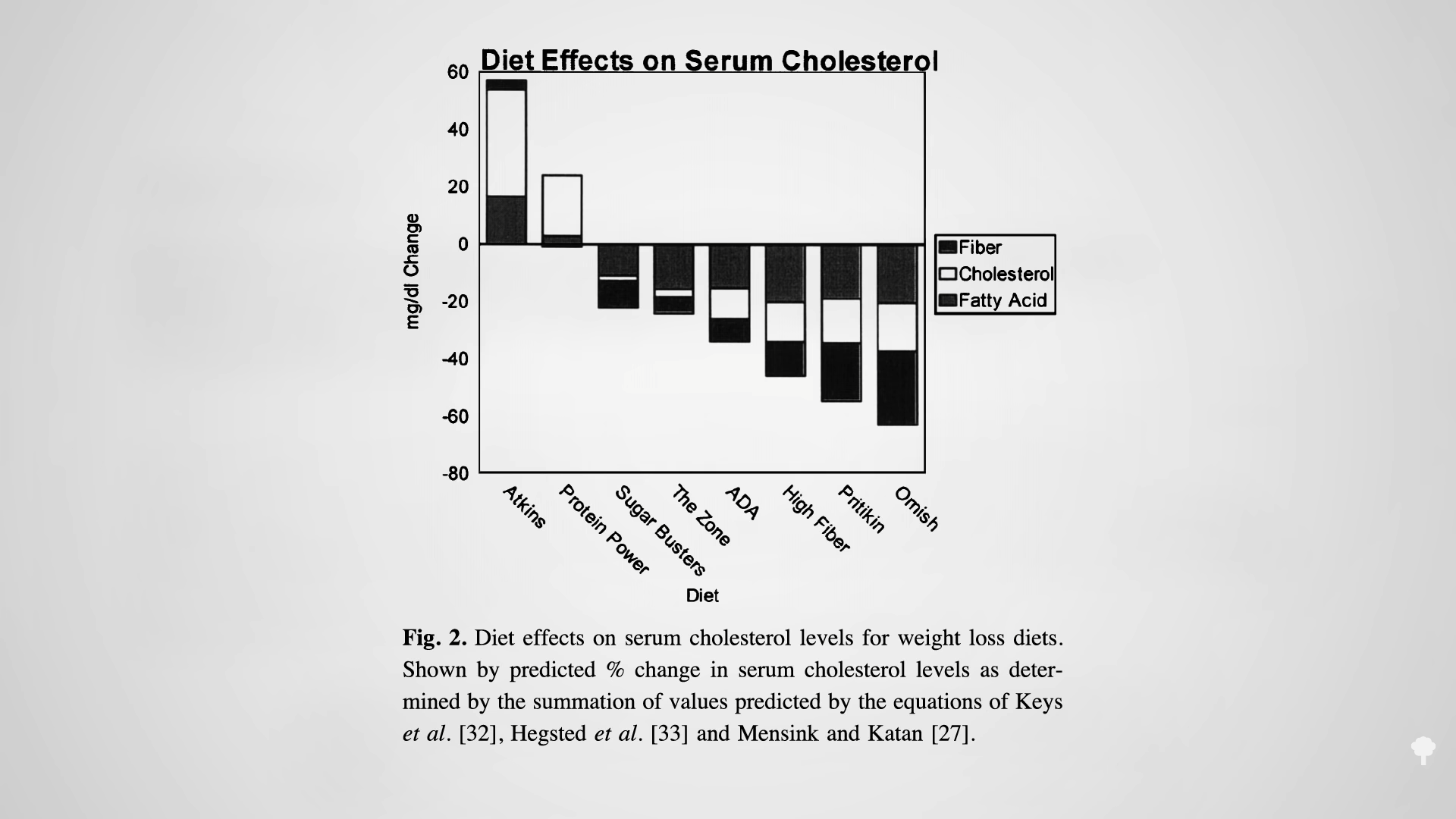
It’s possible to construct a healthy low-carb diet or an unhealthy low-fat one—a diet of cotton candy would be zero fat—but the health effects of a typical low-carb ketogenic diet like Atkins are vastly different from a low-fat plant-based diet like Ornish’s. As you can see in the graph below and at 5:26 in my video, they would have diametrically opposed effects on cardiovascular risk factors in theory, based on the fiber, saturated fat, and cholesterol contents of their representative meal plans. 

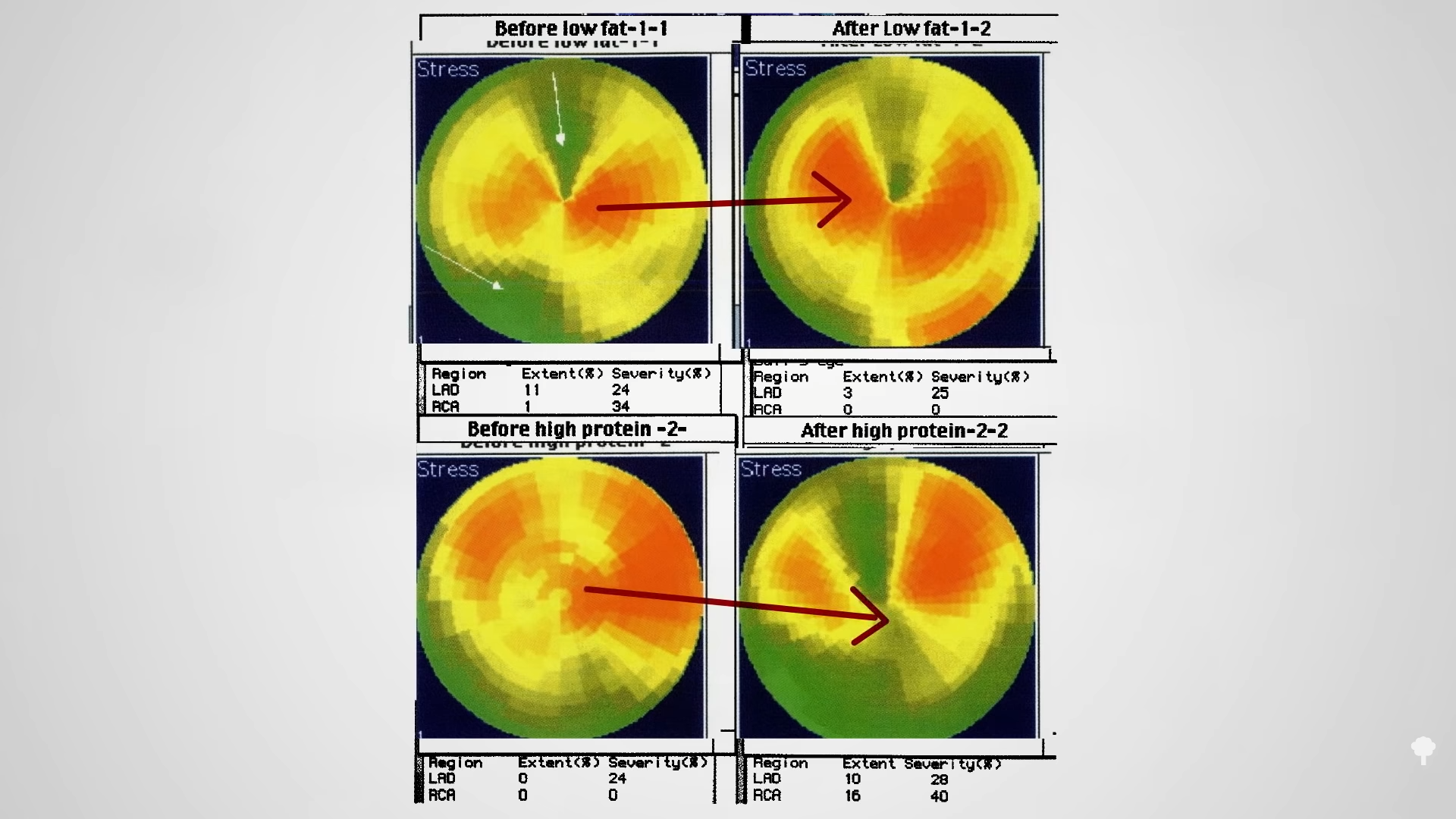
And when actually put to the test, low-carb diets were found to impair artery function. Over time, blood flow to the heart muscle itself is improved on an Ornish-style diet and diminished on a low-carb one, as shown below and at 5:44 in my video. Heart disease tends to progress on typical weight-loss diets and actively worsens on low-carb diets, but it may be reversed by an Ornish-style diet. Given that heart disease is the number one killer of men and women, “recommending any diet that a patient will adhere to in order to lose weight” seems irresponsible. Why not tell people to smoke? Cigarettes can cause weight loss, too, as can tuberculosis and a meth habit. The goal of weight loss is not to lighten the load for your pallbearers. 

 
For more on keto diets, see my videos on the topic. Interested in enhancing athletic performance? Check out the related videos below. 

from NutritionFacts.org https://ift.tt/IDSZR5b
via IFTTT

Design a site like this with WordPress.com
Get started