Bacteria and Kosher and Organic Chicken

How do contamination rates for antibiotic-resistant E. coli and ExPEC bacteria that cause urinary tract infections compare in kosher chicken versus organic chicken?

Millions of Americans come down with bladder infections or urinary tract infections every year, including more than a million children. Most cases stay in the bladder, but when the bacteria creep up into the kidneys or get into the bloodstream, things can get serious. Thankfully, we have antibiotics, but there is now a pandemic of a new multidrug-resistant strain of E. coli. Discovered in 2008, this so-called ST131 strain has gone from being unknown to now being a leading cause of bladder infections the world over and is even resistant to some of our second- and third-line antibiotics. What’s more, it’s been found in retail chicken breasts sampled from across the country, “document[ing] a persisting reservoir of extensively antimicrobial-resistant ExPEC isolates,” or bacteria—that is, the extra-intestinal pathogenic E. coli, including the ST131 strain—“in retail chicken products in the United States, suggesting a potential public health threat.” I discuss this in my video Friday Favorites: What About Kosher and Organic Chicken?.

Urinary tract infections may be foodborne, predominantly from eating poultry, such as chicken or turkey, so maybe we shouldn’t be feeding antibiotics to these animals by the tons in poultry production. Hold on. Foodborne bladder infections? What are you doing with that drumstick? Indeed, eating contaminated chicken can lead to the colonization of the rectum with these bacteria that can then, even months later, crawl up into the bladder to cause an infection.

“The problem of increasing AMR [anti-microbial resistance] is so dire that some experts are predicting that the era of antibiotics may be coming to an end, ushering in a post-antibiotic era…in which common infections and minor injuries can kill” once again. More than 80 percent of E. coli isolated from beef, pork, and poultry exhibited resistance to at least one antibiotic, and more than half isolated from poultry were resistant to five different drugs. One of the ways this happens is that viruses, called bacteriophages, can transfer antibiotic-resistant genes between bacteria. About a quarter of these viruses isolated from chicken were found to be able to transduce antibiotic drug resistance into E. coli. And one of the big problems with this is that “disinfectants used to kill bacteria are, in many cases, not able to eliminate bacteriophages,” these viruses. Some of these viruses are even resistant to bleach at the kinds of concentrations used in the food industry; likewise, alcohol, which is found in many hand sanitizers, is also unable to harm most of them.

The irony is that the industry has tried to intentionally feed these viruses to chickens. Why would it do that? They can boost egg production in hens and increase bodyweight gain in broiler (meat-type) chickens to get them to slaughter weight faster. The only thing that seems to dissuade the industry is any practice that affects the taste of the meat. That’s why the industry stopped spraying chickens with benzene to try to kill off all of the parasites. The meat ended up with a “distasteful flavor,” described as “strong, acidic, musty, medicinal, biting, objectionable, and good.” Good?!

What about organic chicken? For another type of bacteria, Enterococcus, antibiotic-resistant bugs were found in both conventional and organically raised chicken but were less common in organic. A study found that only about one in three organic chickens were contaminated with drug-resistant bugs compared to nearly one in two conventionally raised birds. But in a study of hundreds of prepackaged retail chicken breasts tested from 99 grocery stores, carrying the organic or antibiotic-free label did not seem to impact the contamination levels of antibiotic-resistant E. coli from fresh retail chicken. Purchasing meat from natural food stores appeared to be safer, however, regardless of how it was labeled.

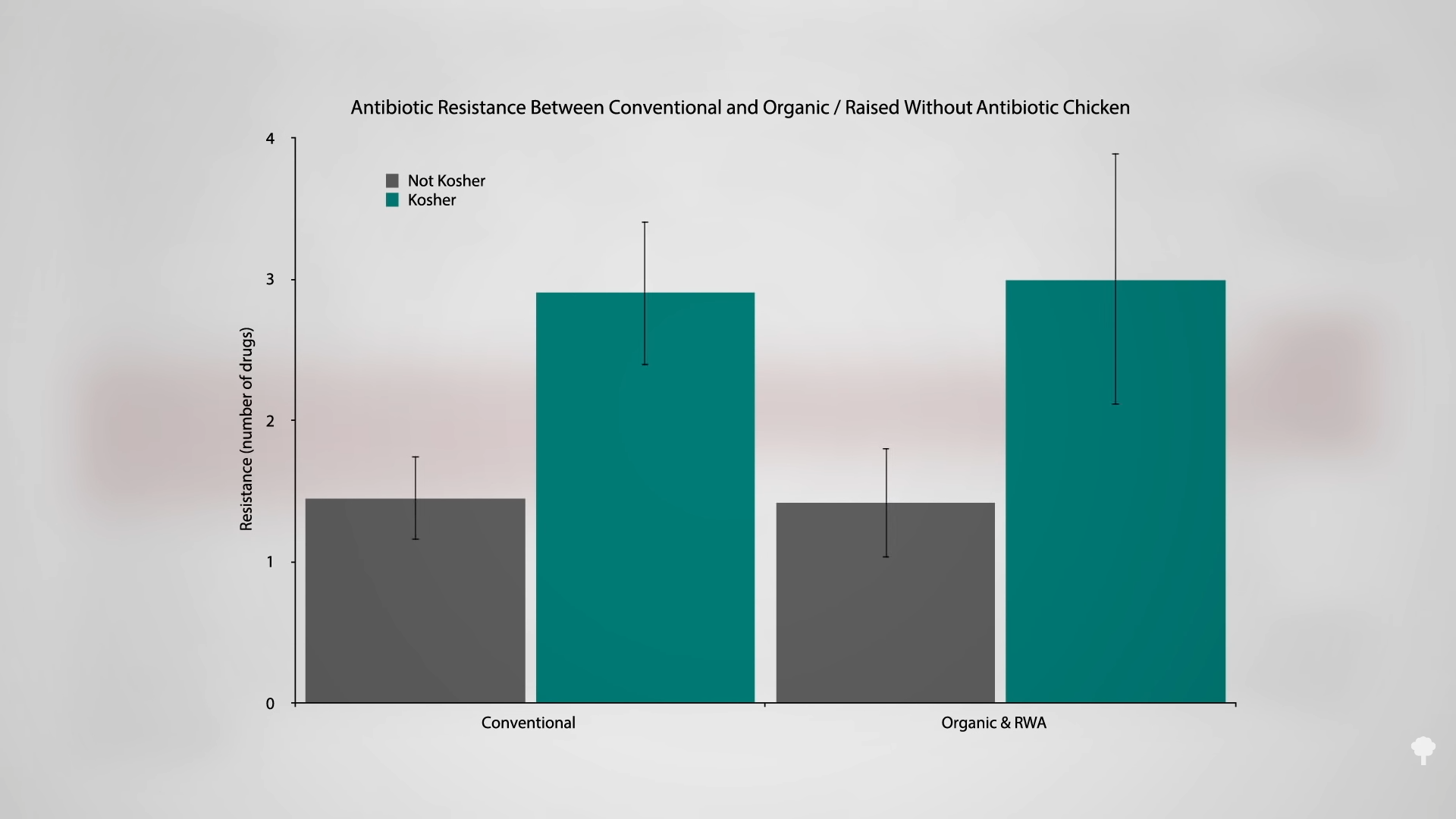
Kosher chicken appeared to be the worst, with nearly twice the level of antibiotic-resistant E. coli contamination compared to conventional chicken, which goes against the whole concept of kosher. As you can see in the graph below and at 4:17 in my video, there was no difference in drug resistance between the E. coli swabbed from conventionally raised chickens versus chickens raised organically and without antibiotics, but, either way, kosher was worse. But how could organic and raised-without-antibiotics chickens not be better? Well, it could be cross-contamination at the slaughter plants, so bugs just jump from one chicken carcass to the next.
Or it could be the organic chicken loophole. USDA organic standards prohibit the use of antibiotics in poultry starting on day two of the animal’s life. “This is an important loophole” because even antibiotics “considered critical for human health” are routinely injected into one-day-old chicks and eggs, which has been directly associated with antibiotic-resistant foodborne infections.

What’s more, there was no difference in the presence of ExPEC bacteria—the bacteria implicated in urinary tract infections—between organic and conventional chicken. “These findings suggest that retail chicken products in the United States, even if they are labeled ‘organic,’ pose a potential health threat to consumers because they are contaminated with extensively antibiotic-resistant and, presumably, virulent E. coli isolates.” Indeed, even if we were able to get the poultry industry to stop using antibiotics, the contamination of chicken meat with ExPEC bacteria could still remain a threat.

from NutritionFacts.org https://ift.tt/skBbQM6
via IFTTT
11 Easy Lettuce Wraps

These 11 recipes for easy lettuce wraps are perfect anytime you need a light and fresh meal. Each wrap is healthy, low-carb, and packed with flavor.  The Best Easy Lettuce Wrap Recipes You won’t miss the bread with these easy lettuce wraps! A great way to make a sandwich, burger or taco fresher, lighter and

from Skinnytaste https://ift.tt/LfQB7RG
via IFTTT

Less Acid Reflux from Low-Acid Coffee?

What is low-acid coffee? Does it help those who suffer from acid reflux, heartburn, and indigestion?

“Dark roast coffee is more effective than light roast coffee in reducing body weight,” but what is the effect of different roasts on heartburn and stomach upset? I discuss this in my video Does Low-Acid Coffee Cause Less Acid Reflux?.

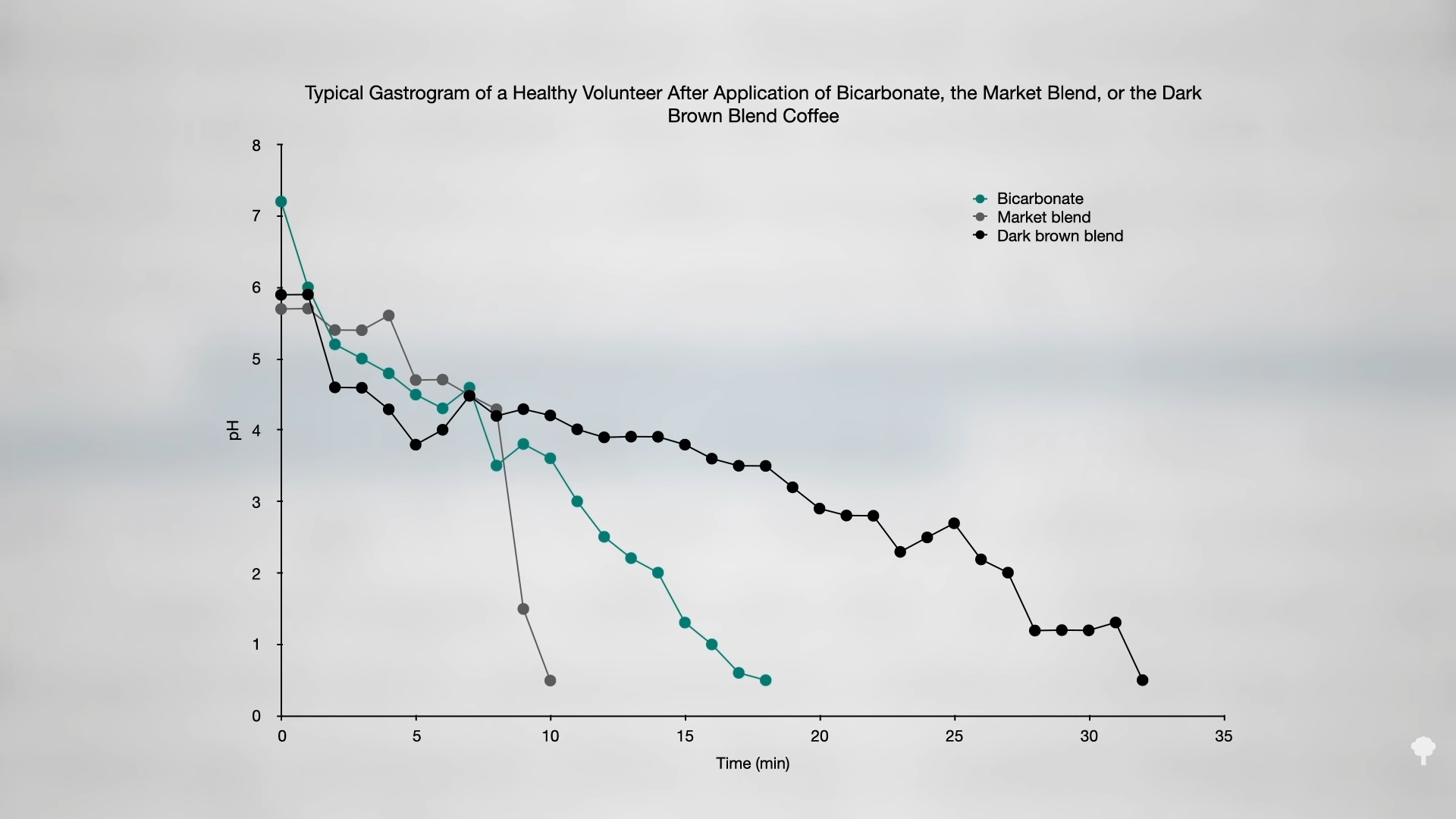
We know that “coffee consumption sometimes is associated with symptoms of stomach discomfort,” so researchers put pH probes into people’s stomachs to measure the amount of stomach acid generated by different types of coffee. A gastrogram is a way to chart acid secretion in the stomach, as you can see at 0:30 in my video. You give people some baking soda so their stomach starts out alkaline, then measure the pH in the stomach to see how long it takes the body to restore the stomach to an acid bath—about 15 to 20 minutes. If you mix that same amount of baking soda with dark roast coffee, however, it takes longer, which means the dark roast coffee is suppressing stomach acid secretion because it takes longer to normalize the pH. If you give people more of a medium roast coffee, though, there is a dramatically different effect—an acceleration of stomach acid secretion, returning the stomach to acidic conditions three times faster than drinking dark roast coffee. Thus, dark roast coffee is less effective at stimulating stomach acid secretion than medium roast coffee. But you don’t know if that translates into symptoms, or clinical effects, until you put it to the test.

“The most commonly used coffee bean roasting process is referred to as convection or ‘flash’ roasting,” which usually takes less than ten minutes. “An alternative method is conduction roasting….[which] roasts the coffee beans at a lower temperature for a longer time, typically over 3 – 4 h,” and results in so-called low-acid coffee. “Anecdotal evidence from coffee-sensitive individuals has suggesting that this latter roasting method [for low-acid coffee] does not precipitate or aggravate heartburn.” However, when you look up the citation for this finding, the paper just cites data from the Puroast Coffee Co., makers of low-acid coffee. It should therefore come as no surprise that it was the same company that funded the study.

At one point, the Puroast Coffee website claimed, “The health benefits associated with drinking Puroast Low Acid coffee will become almost immediately obvious to those who suffer from acid reflux, heartburn, or indigestion,” with more than 90 percent of customers surveyed receiving symptom relief. So, the company decided to put its money where its mouth was. Before I get to the results, though, it’s important to realize that when they say “low acid,” they aren’t talking about stomach acid, but about roasting coffee beans so long that they destroy more of the chlorogenic acid within them. That’s the antioxidant, polyphenol, phytonutrient chlorogenic acid—that is, the “anti-diabetic, anti-carcinogenic, anti-inflammatory and anti-obesity” antioxidant.

That’s like an orange juice company going out of its way to destroy the vitamin C in its orange juice and then branding the juice as “low acid.” Vitamin C is ascorbic acid, so it would technically be true, but it would be bragging about destroying some of the nutrition, and that’s exactly what low-acid coffee makers are doing. But, if low-acid coffee causes less stomach discomfort, might it be worth it?

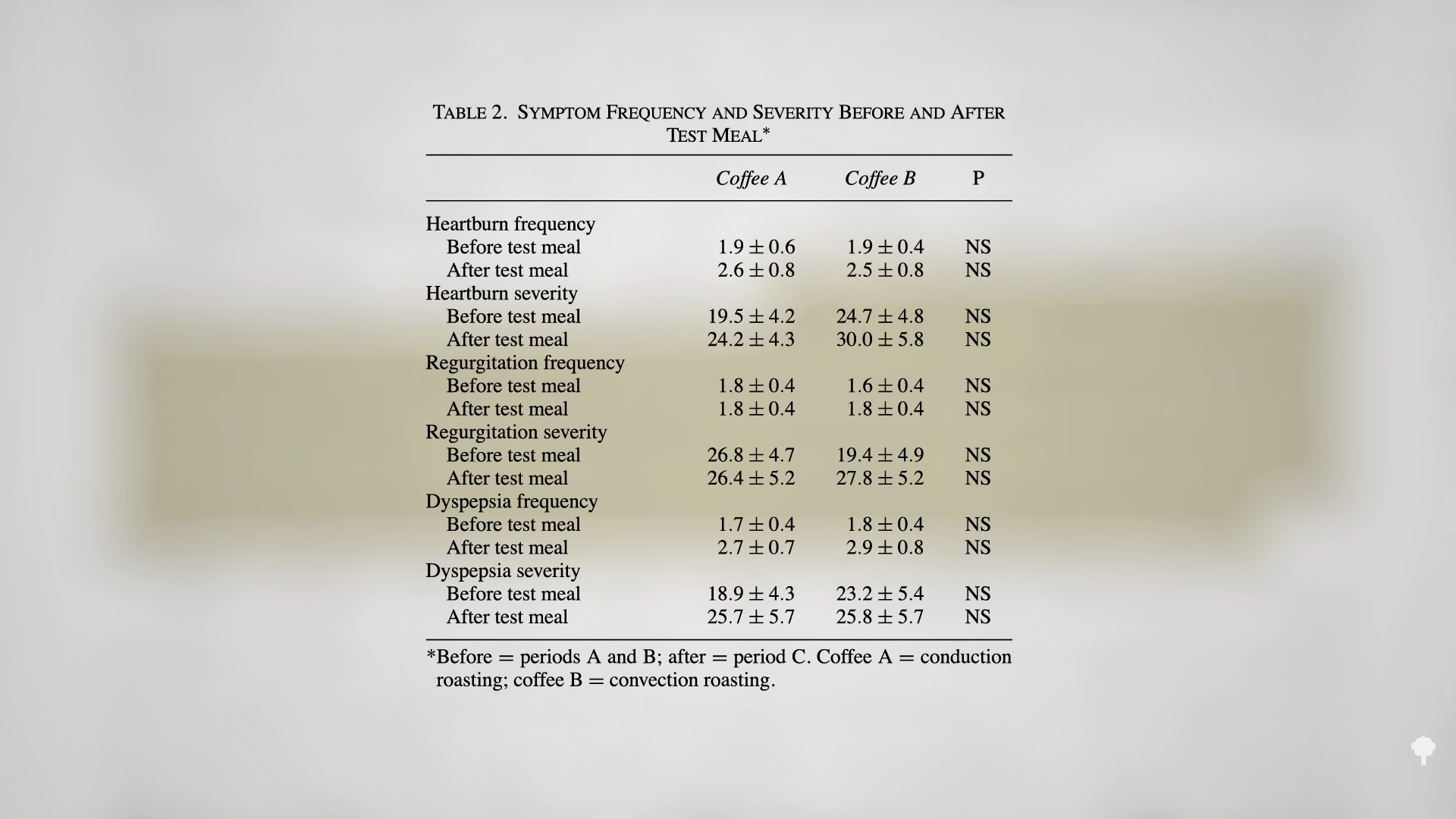
In the Puroast Coffee-funded study, 30 coffee-sensitive individuals completed a “randomized, double-blind, crossover study in which the symptoms of heartburn, regurgitation and dyspepsia [stomach upset] were assessed following coffee consumption” of Puroast brand low-acid coffee versus regular, conventionally roasted Starbucks coffee. To the study funder’s chagrin, no benefit whatsoever was found with the low-acid coffee, as you can see at 3:39 in my video. “Consumption of both coffees resulted in heartburn, regurgitation, and dyspepsia in most individuals.” So much for that ridiculous 90-percent-of-customers claim. “No significant differences in the frequency or severity of heartburn, regurgitation, or dyspepsia were demonstrated between the two coffees either in the fasting state or after the test meal.” The researchers couldn’t find any way to make the low-acid coffee look better.

They initially thought that a difference in coffee acidity might explain the company’s claims; however, when put to the test in a randomized controlled study, they found no difference in symptoms, suggesting that coffee acidity does not explain the sensitivity some people have. This, I think, further acts as a reminder that we should never believe claims made by anyone trying to sell us something.

Isn’t that amazing!? I love that Puroast’s own study did it in, but good for the company for allowing it to be published and not just quietly buried. Though, maybe it tried to make it disappear but the researchers held strong. Either way, this is how science is supposed to work, and I’m excited to bring it to you.

If you missed the previous video where I talked about that weight-loss finding, check out Which Coffee Is Healthier: Light vs. Dark Roast.

from NutritionFacts.org https://ift.tt/Zhn2Bk1
via IFTTT

Honey-Mustard Air Fryer Pork Chops

These crispy Honey-Mustard Air Fryer Pork Chops are marinated in honey mustard, breaded with panko, and air fried until golden. Honey-Mustard Air Fryer Pork Chops Made with just four ingredients, not counting salt and olive oil spray, these easy Honey-Mustard Pork Chops come out juicy on the inside and so flavorful! The longer they marinade, the tastier they are. I

from Skinnytaste https://ift.tt/O7rWV03
via IFTTT

Skinnytaste Simple – Cookbook Cover Reveal

Exciting news! My newest cookbook Skinnytaste Simple: Easy, Healthy Recipes with 7 Ingredients or Fewer is out for pre-order! Skinnytaste Simple I am so excited about this cookbook! The Skinnytaste Simple cookbook hits book stores and ships out September 19! But you can pre-order now and be one of the first to get your copy.

from Skinnytaste https://ift.tt/0VDkRE6
via IFTTT

Tropical Chia Pudding Breakfast Bowl (High Protein)

This easy, high-protein, Tropical Chia Pudding Breakfast Bowl is creamy and delicious, made with chia seeds, Greek yogurt, mango and kiwi. Tropical Chia Pudding Breakfast Bowl I love chia pudding, but it doesn’t have much protein when made with almond or oat milk. And you know I like to start the day with a good

from Skinnytaste https://ift.tt/w7GhZTn
via IFTTT

7 Day Healthy Meal Plan (March 6-12)

A free 7-day, flexible weight loss meal plan including breakfast, lunch and dinner ideas and a shopping list. All recipes include macros and WW points. 7 Day Healthy Meal Plan Still looking for ideas for Lent? Look no further! Try my Perfect Air Fryer Shrimp, Pasta Fagioli or this great Salmon Caesar Salad! Looking for a meat recipe- check out my Air Fryer Breaded

from Skinnytaste https://ift.tt/4Na9G1M
via IFTTT

Is Light or Dark Roast Coffee Healthier?

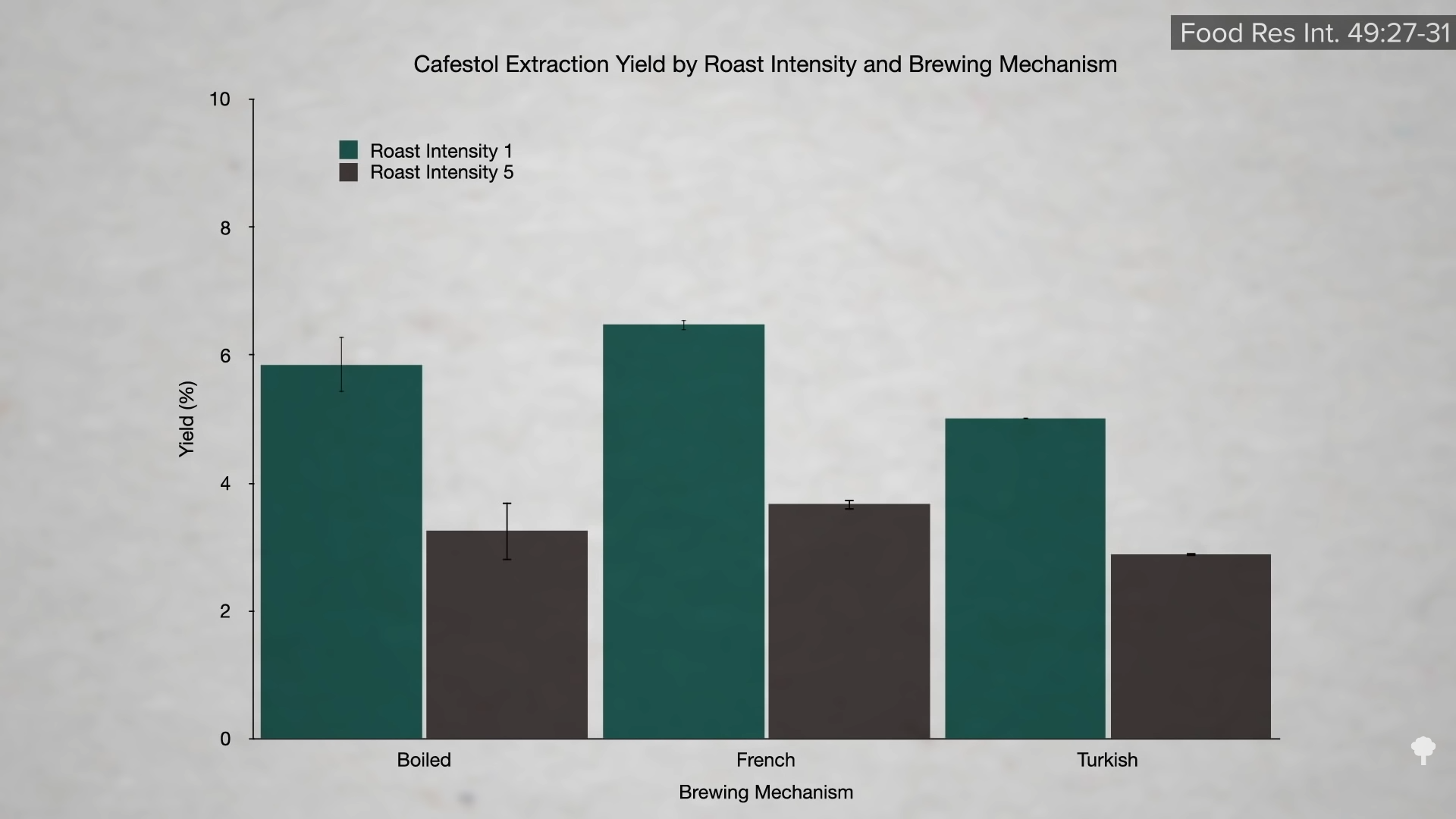
When it comes to reducing body weight, dark roast coffee is more effective than light roast coffee. If you drink non-paper-filtered coffee, such as boiled, French press, or Turkish coffee, you should know that the amount of cholesterol-raising compounds in the lightest roast coffee beans may be twice as high as in very dark roast coffee beans, as you can see at 0:07 in my video Which Coffee Is Healthier: Light vs. Dark Roast. It appears some of the cholesterol-raising compounds are destroyed by roasting, so, in this case, darker is better. (Alternatively, as I described in Does Coffee Affect Cholesterol?, you can use a paper filter and eliminate 95 percent of the cholesterol-raising activity of coffee regardless of the roast.)

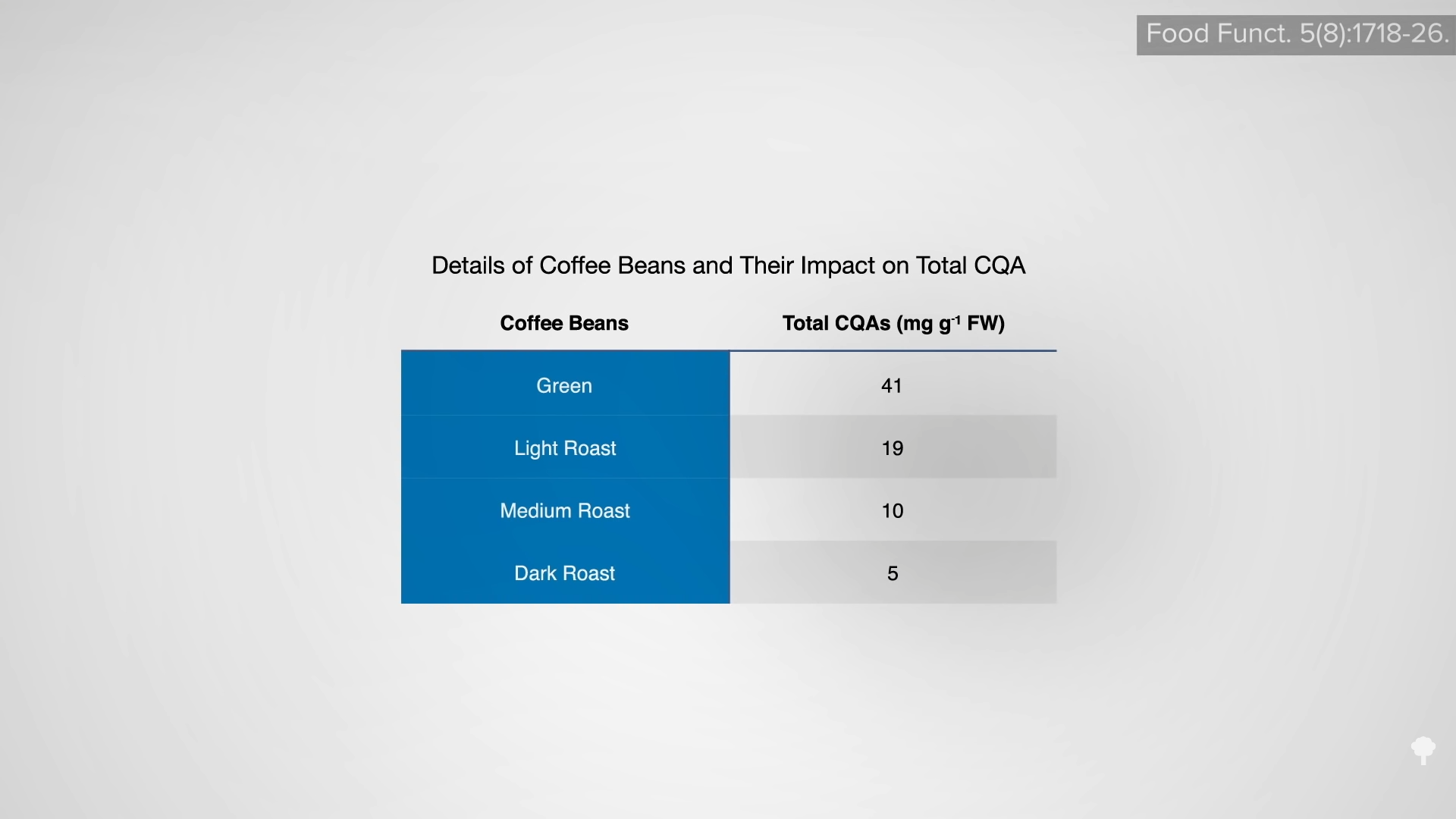
You may be familiar with another video of mine—Friday Favorite: Does Adding Milk Block the Benefits of Coffee?, which showed that dark roasting may also destroy up to nearly 90 percent of the chlorogenic acids, the antioxidant, anti-inflammatory phytonutrients purported to account for many of coffee’s benefits. In that case, light roast would be better, as you can see at 0:39 in my video. However, dark roasting can wipe out up to 99.8 percent of pesticides in conventionally grown coffee and more than 90 percent of a fungal contaminant called ochratoxin, a potent kidney toxin found “in a wide range of unprocessed and processed food including coffee”—foods that can get moldy.

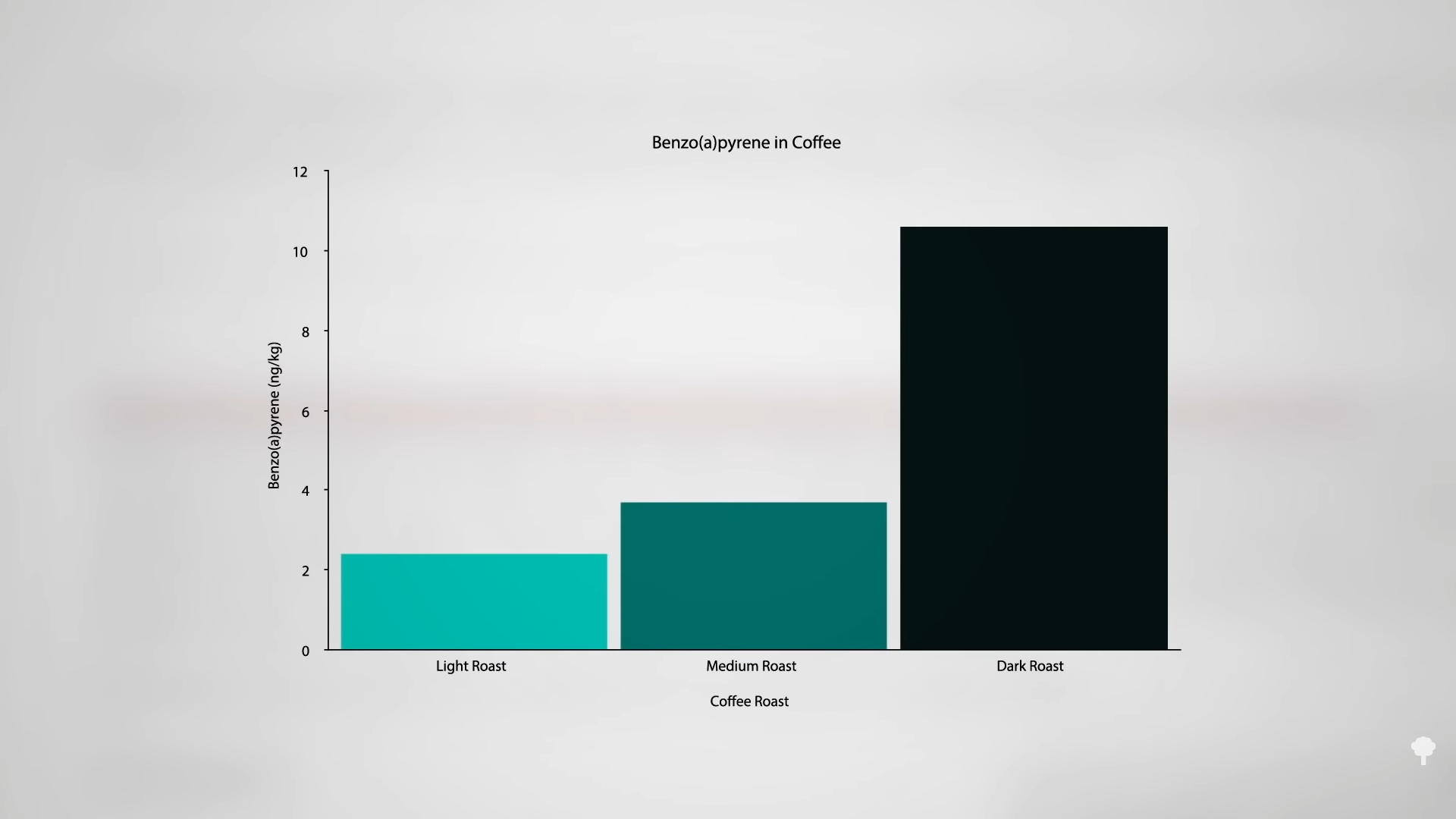
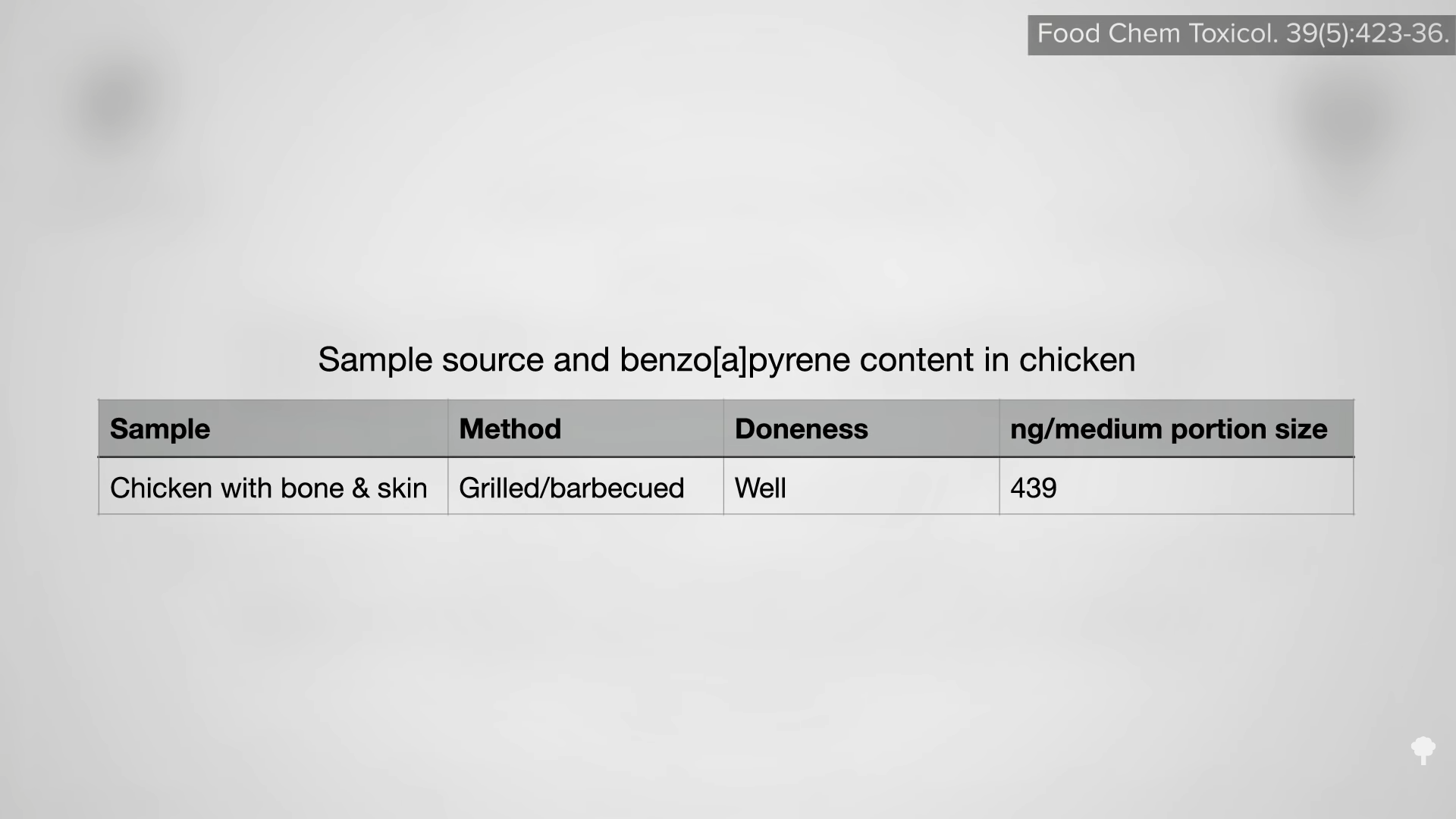
What about the polycyclic aromatic hydrocarbon (PAH) products of combustion that are suspected to be carcinogenic and DNA damaging? As you can see in the graph below and at 1:16 in my video, darker roasts may have up to four times more than light roasts. “Thus, roasting conditions should be controlled to avoid the formation of PAHs due to their suspected carcinogenic and mutagenic properties.” To put things in perspective, benzopyrene is considered to be “the most toxic and the most carcinogenic” of these compounds, and even the darkest roast coffee might only max out at a fraction of a nanogram of benzopyrene per cup, whereas a single medium portion of grilled chicken could have over 1,000 times more, as you can also see in the graph below at 1:39 in my video.


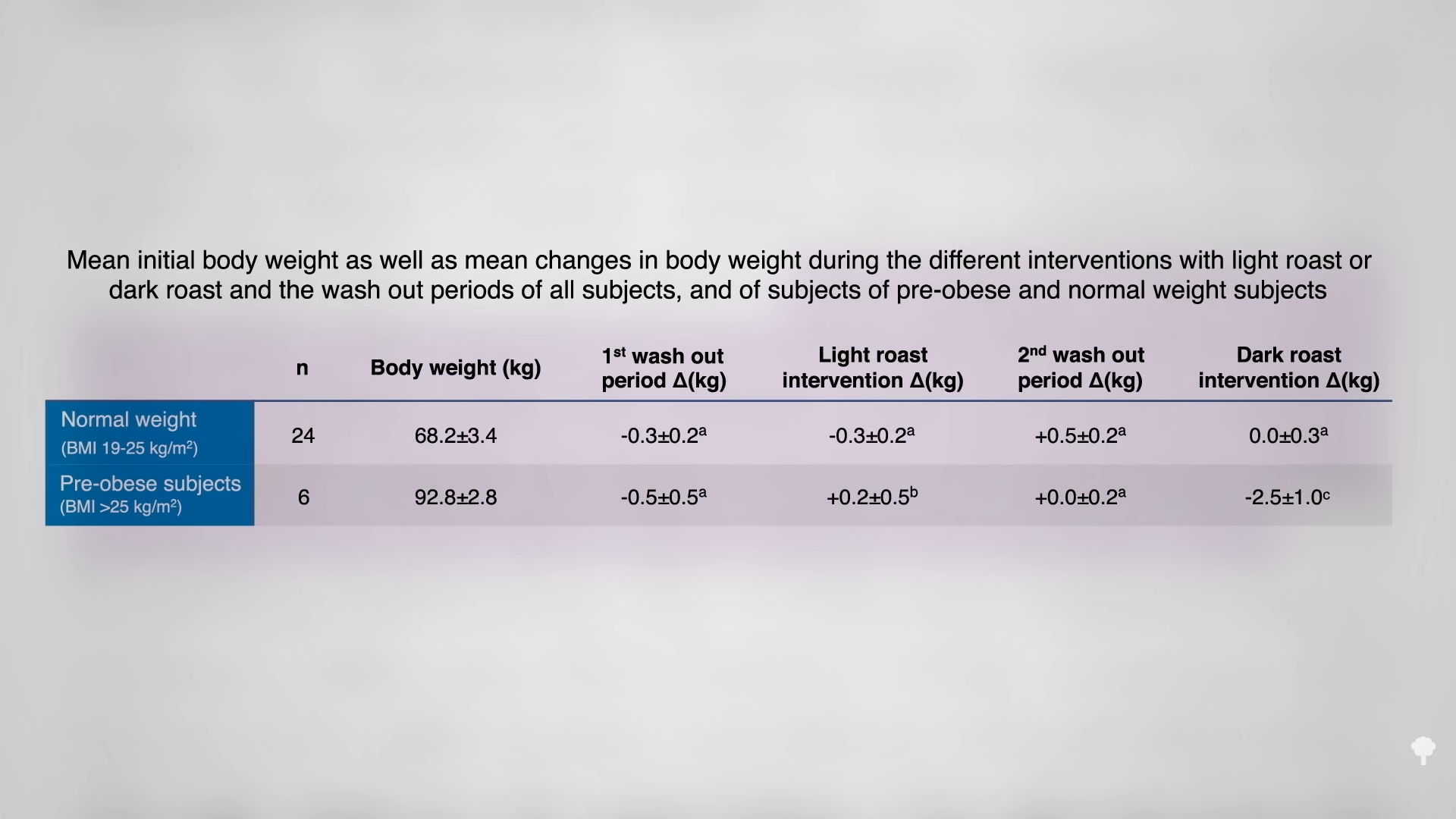
Overall, you don’t know if light versus dark roast is better until you put it to the test. A study found that “dark roast coffee is more effective than light roast coffee in reducing body weight” and even said so in the paper’s title. Folks were randomized to a month of drinking two cups a day of light roast coffee or dark roast coffee, roasted from the same batch of green coffee beans. In normal-weight participants, it didn’t seem to matter—there were no significant weight changes either month—but overweight study participants ended up about six pounds lighter drinking dark roast coffee than light roast coffee, as you can see at 2:05 in my video. They lost more than a pound a week just drinking a different type of coffee.

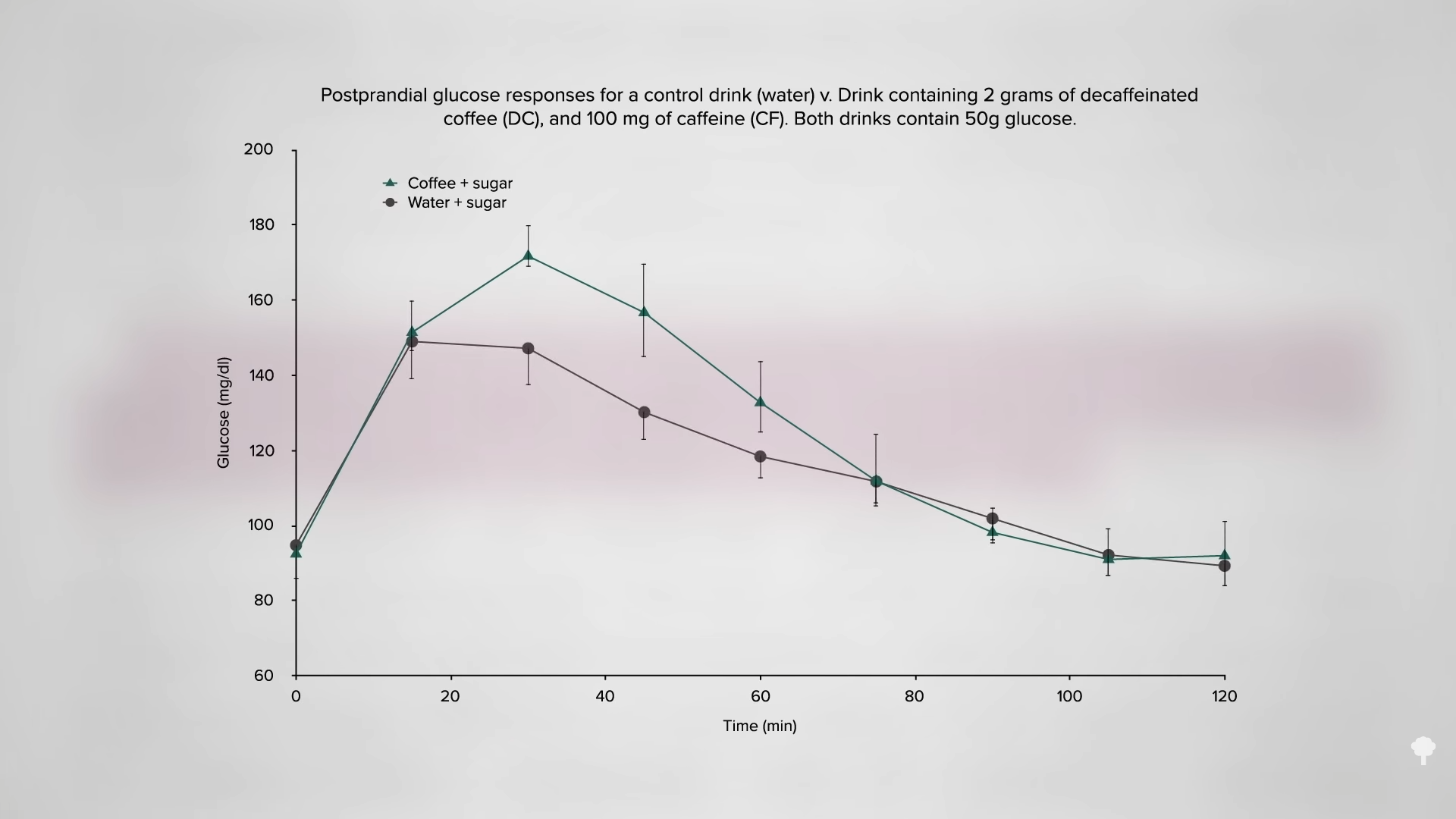
What about light versus dark in relation to blood sugars? We’ve known since 2015 that even a single cup of coffee can affect the blood sugar response. As you can see at 2:33 in my video, after drinking a cup of coffee with more than a dozen sugar cubes in it, which is about a quarter cup of sugar in one cup of coffee, blood sugar spikes higher over two hours compared with the spike from the same amount of sugar in just plain water. “What is not known is whether this statistically significant increase in blood glucose [sugars] is physiologically relevant,” clinically meaningful. After all, coffee consumption does not seem to increase the risk of diabetes, and if you compare drinking light roast coffee with dark roast coffee 30 minutes before “a 75-g oral glucose tolerance test,” that is, drinking about 20 teaspoons of sugar, there didn’t appear to be any difference. Perhaps the take-home message is that regardless of whether the coffee is light or dark, maybe we shouldn’t be adding 20 spoonful of sugar to it.

Finally, what do we know about the effect of different roasts on heartburn and stomach upset? We find out in my video Does Low Acid Coffee Cause Less Acid Reflux?.

How Much Added Sugar is Too Much? Check out the video!

from NutritionFacts.org https://ift.tt/tEXQIvl
via IFTTT

Short Rib Soup (Instant Pot or Stove)

This Asian-inspired Short Rib Soup with mushrooms and Swiss chard is cozy and hits the spot when you’re craving a comforting soup. Short Rib Soup I bought some short ribs recently and wanted to try them in soup. I was craving one with lots of fresh herbs and ginger and was inspired by pho. The

from Skinnytaste https://ift.tt/zgUHWi4
via IFTTT

30-Minute Shrimp, Peas and Rice

This 30-minute Shrimp, Peas and Rice dish is a family favorite dinner! It’s quick to cook and requires no chopping, easy prep!! Shrimp, Peas and Rice Last week I shared this Shrimp, Broccoli and Orzo dish. For those of you observing Lent, I thought I would share another quick 30-minute meal using shrimp! You can

from Skinnytaste https://ift.tt/fipy5sk
via IFTTT

Design a site like this with WordPress.com
Get started