Mushroom Toast

Mushroom Toast with labneh or cream cheese served on sourdough toast is a fast and easy breakfast, brunch, or lunch. Mushrooms on Toast There’s something uniquely satisfying about the rich, earthy flavors of mushrooms. When paired with the crisp, comforting texture of toasted bread, it creates a culinary experience that’s both simple and sublime. Use

from Skinnytaste https://ift.tt/uWfg9My
via IFTTT

Flavonoid Benefits from Apple Peels 

Peeled apples are pitted head-to-head against unpeeled apples (and spinach) in a test of artery function. 

Regularly eating apples may contribute to a lower risk of dying prematurely. “Moderate apple consumption,” meaning one or two apples a week, “was associated with a 20% lower risk of all-cause mortality”—that is, dying from all causes put together—“whereas those who ate an apple a day had a 35% lower risk of all-cause mortality compared with women with low apple consumption.” 
 
You’ll often hear me talking about a lower or higher risk of mortality, but what does that mean? Isn’t the risk of dying 100 percent for everyone, eventually? As you can see in my graph below and at 0:40 in my video Friday Favorites: For Flavonoid Benefits, Don’t Peel Apples, I present some survival curves to help you visualize these concepts. For example, if you follow thousands of older women over time, nearly half succumb over a period of 15 years, but that half includes those who rarely, if ever, ate apples—less than 20 apples a year. Instead, those averaging more like half a small apple a day lived longer; over the same time period, closer to 40 percent or so of them died. And, those who ate one small apple or about a quarter of a large apple a day survived even longer. 


Why is that the case? It seems to be less the apple of one’s eye than the apple of one’s arteries. Even a fraction of an apple a day is associated with 24 percent lower odds of having severe major artery calcifications, a marker of vascular disease. You may think that’s an obvious benefit since apples are fruits and fruits are healthy, but the effect was not found for pears, oranges, or bananas. 
 
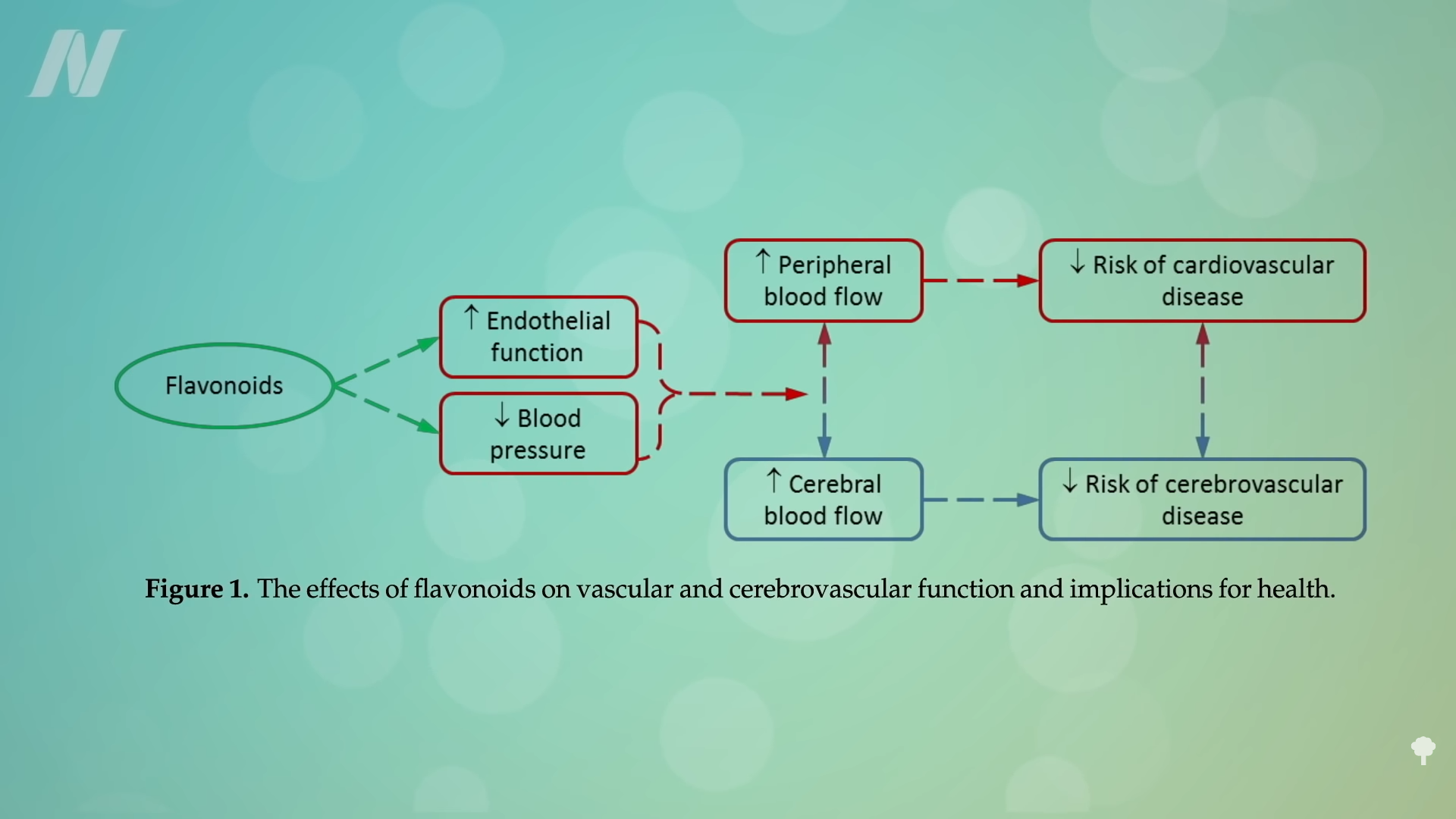
Both of these studies were done on women, but a similar effect (with apples and onions) was found for men. We think it’s because of the flavonoids, naturally occurring phytonutrients concentrated in apples. As you can see below and at 2:02 in my video, they’re thought to improve artery function and lower blood pressure, leading to improvements in blood flow throughout the body and brain, thereby decreasing the risk of heart disease and strokes. You don’t know, though, until you put it to the test.


When I first saw a paper on testing flavonoid-rich apples, I assumed they had selectively bred or genetically engineered a special apple. But, no. The high-flavonoid apple was just an apple with its peel, compared to the low-flavonoid apple, which was the exact same apple with its peel removed. After eating the apples, flavonoid levels in the bloodstream shot up over the next three hours in the unpeeled apple group, compared to the peeled group, as you can see below, and at 2:36 in my video. This coincided with significantly improved artery function in the unpeeled apple group compared to the peeled one. The researchers concluded that “the lower risk of CVD [cardiovascular disease] with higher apple consumption is most likely due to the high concentration of flavonoids in the skin which improve endothelial [arterial] function”—though, it could be anything in the peel. All we know is that apple peels are particularly good for us, improving artery function and lowering blood pressure. 
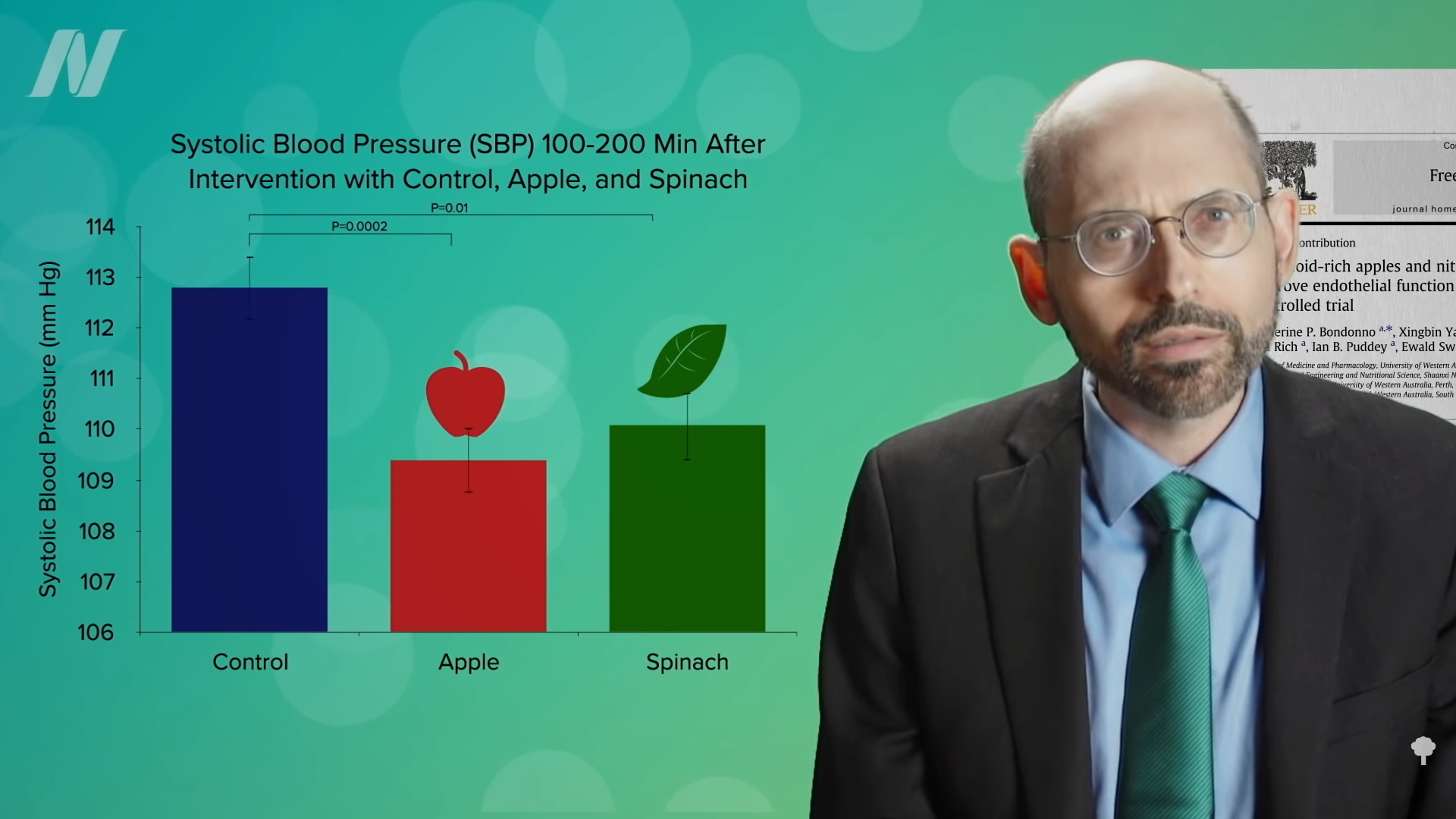
Even compared to spinach? As you can see in the graph below and at 3:14 in my video, if you give someone about three-quarters of a cup of cooked spinach, their blood pressure drops within two to three hours. If you instead eat an apple with some extra peel thrown in, you get a similar effect. The researchers concluded that apples and spinach almost immediately improve artery function and lower blood pressure. 
What’s nice about these results is that we’re talking about whole foods, not some supplement or extract. So, easily, “this could be translated into a natural and low-cost method of reducing the cardiovascular risk profile of the general population.” 

For more about apples, see the topic page and check out the related videos below. 

What about dried apples? See Dried Apples vs. Cholesterol. What about apple cider vinegar? Check out Flashback Friday: Does Apple Cider Vinegar Help with Weight Loss?. And what about apples going head-to-head with açai berries? See The Antioxidant Effects of Açai vs. Apples.

from NutritionFacts.org https://ift.tt/R6Io34Z
via IFTTT

Everything You Need to Organize Your Pantry

My secret to healthy cooking starts with a well-organized pantry — because if you can see all the nutritious ingredients you have to cook with, the inspiration for filling and flavorful meals will come much more easily. With the help of a few simple tools and gadgets, you can transform your kitchen pantry in no

from Skinnytaste https://ift.tt/Rv2D4gx
via IFTTT

Free 7 Day Healthy Meal Plan (Jan 15-21)

A free 7-day, flexible weight loss meal plan including breakfast, lunch and dinner ideas and a shopping list. All recipes include macros and Weight Watchers points. Free 7 Day Healthy Meal Plan (Jan 15-21) Cold weather calls for warm comfort food! Lasagna Soup, this Lighter Baked Macaroni and Cheese or my favorite- Pollo Guisado are all sure to hit the spot! Want something warm

from Skinnytaste https://ift.tt/1hpjRqY
via IFTTT

Any Pitfalls with Restricting Calories? 

How may we preserve bone and mass on a low-calorie diet? 
 
One of the most consistent benefits of calorie restriction is that blood pressure improves in as little as one or two weeks. Blood pressure may even be normalized in a matter of weeks and blood pressure pills discontinued. Unfortunately, this can work a little too well and cause orthostatic intolerance, which can manifest as lightheadedness or dizziness upon standing and, in severe cases, may cause fainting, though staying hydrated can help. 
 
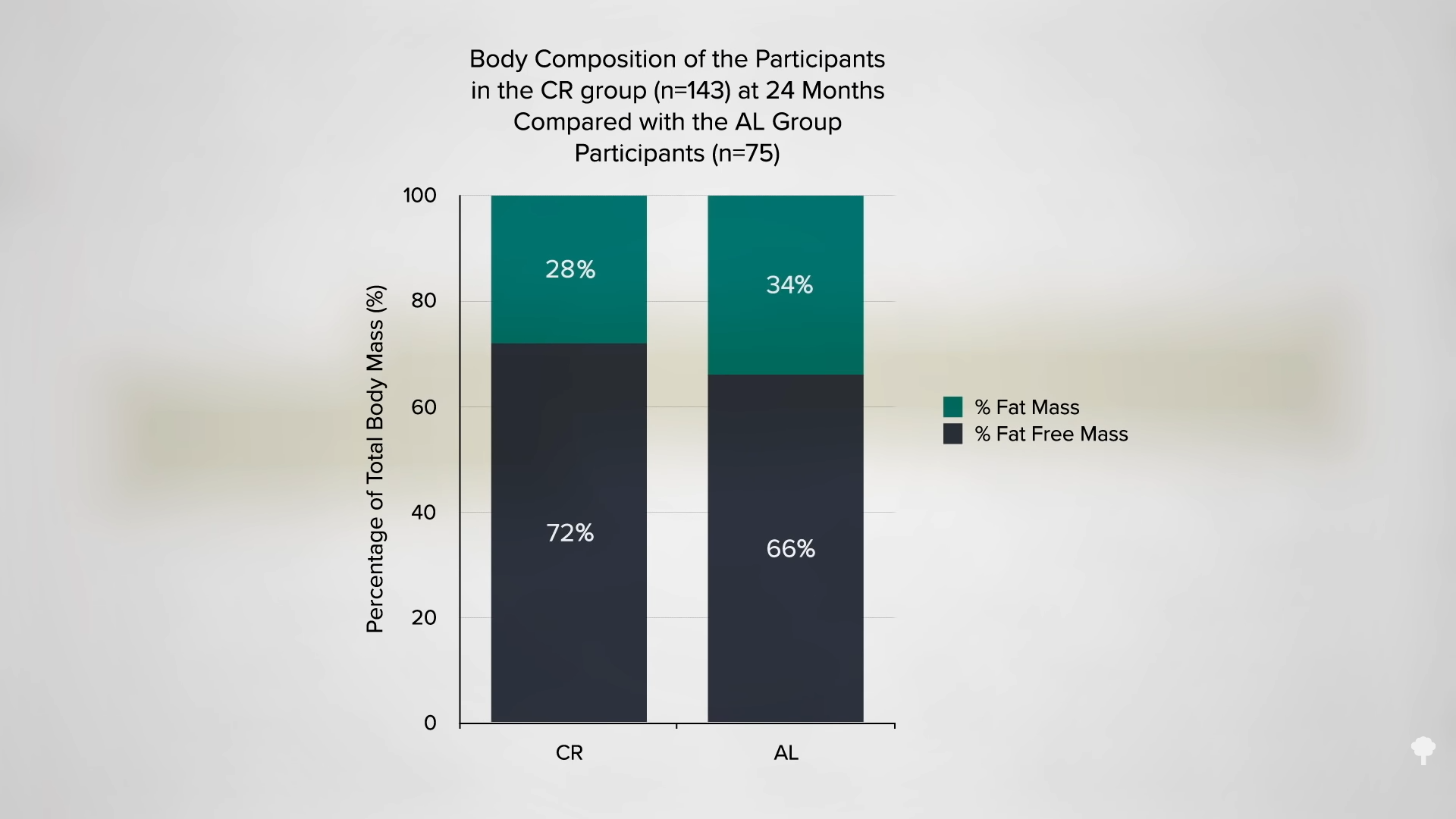
What about loss of muscle mass? In the CALERIE trial, which I profile in my video Potential Pitfalls of Calorie Restriction, 70 percent of the body weight the subjects lost was fat and 30 percent was lean body mass. So, they ended up with an improved body composition of about 72 percent lean mass compared to 66 percent in the control group, as you can see at 0:51 in my video. And, even though leg muscle mass and strength declined in absolute terms, relative to their new body size, they generally got stronger. 


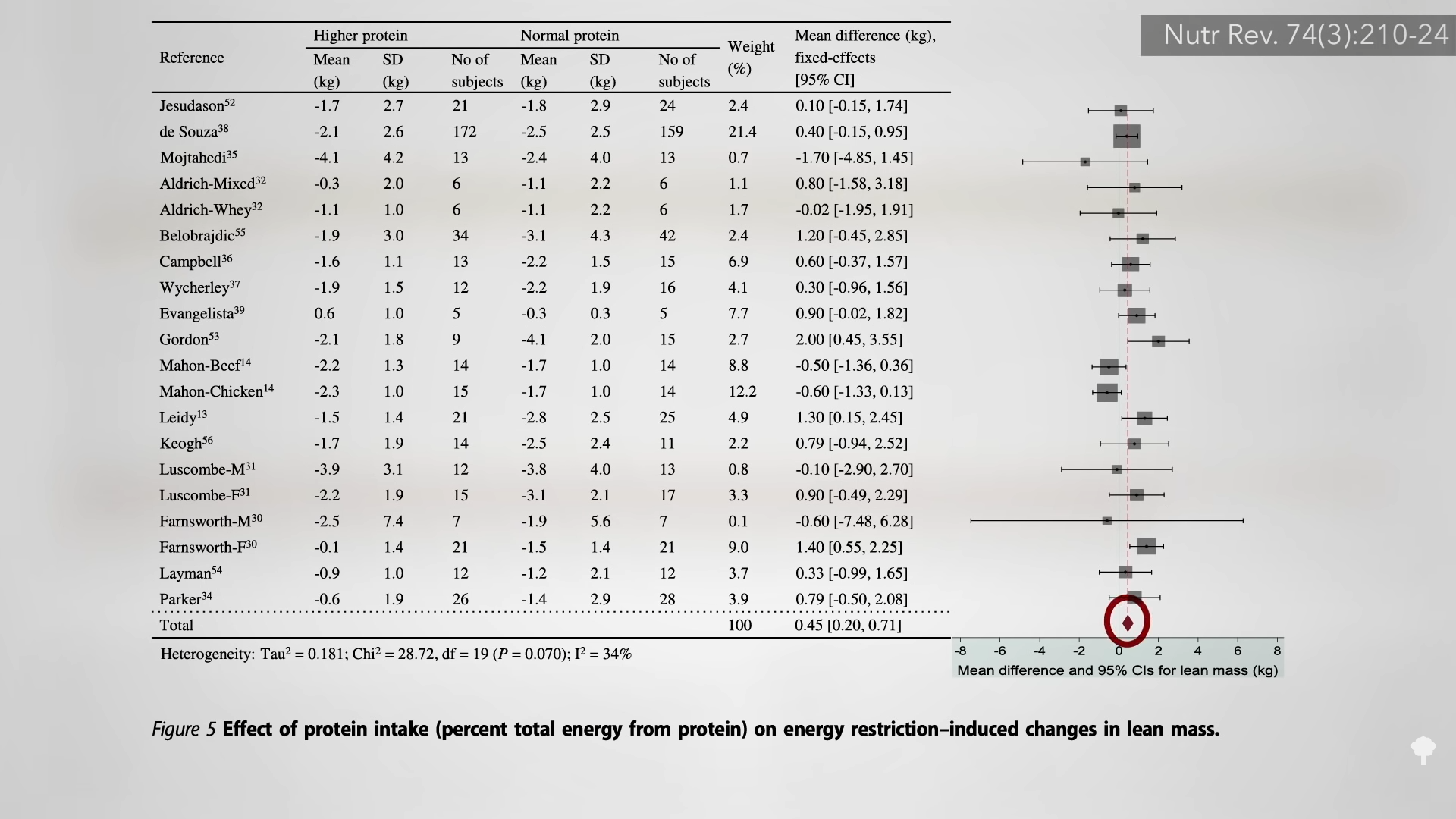
Is there any way to preserve even more lean mass, particularly among older individuals who naturally tend to lose muscle mass with age? Increased protein intakes are commonly suggested, but most studies fail to find a beneficial effect on preserving muscle strength or function whether you’re young or old, active or sedentary. For example, during a 25 percent calorie restriction, researchers randomized overweight older men and women to either a normal-protein diet with 4 grams for every ten pounds of body weight or a high-protein diet with about 8 grams per ten pounds. That doubling of protein intake had no discernible effect on lean body mass, muscle strength, or physical performance. As you can see below and at 1:48 in my video, most such studies found the same lack of benefit, but when they’re all put together, one can tease out a small advantage of about one or two pounds of lean mass over an average of six months. 

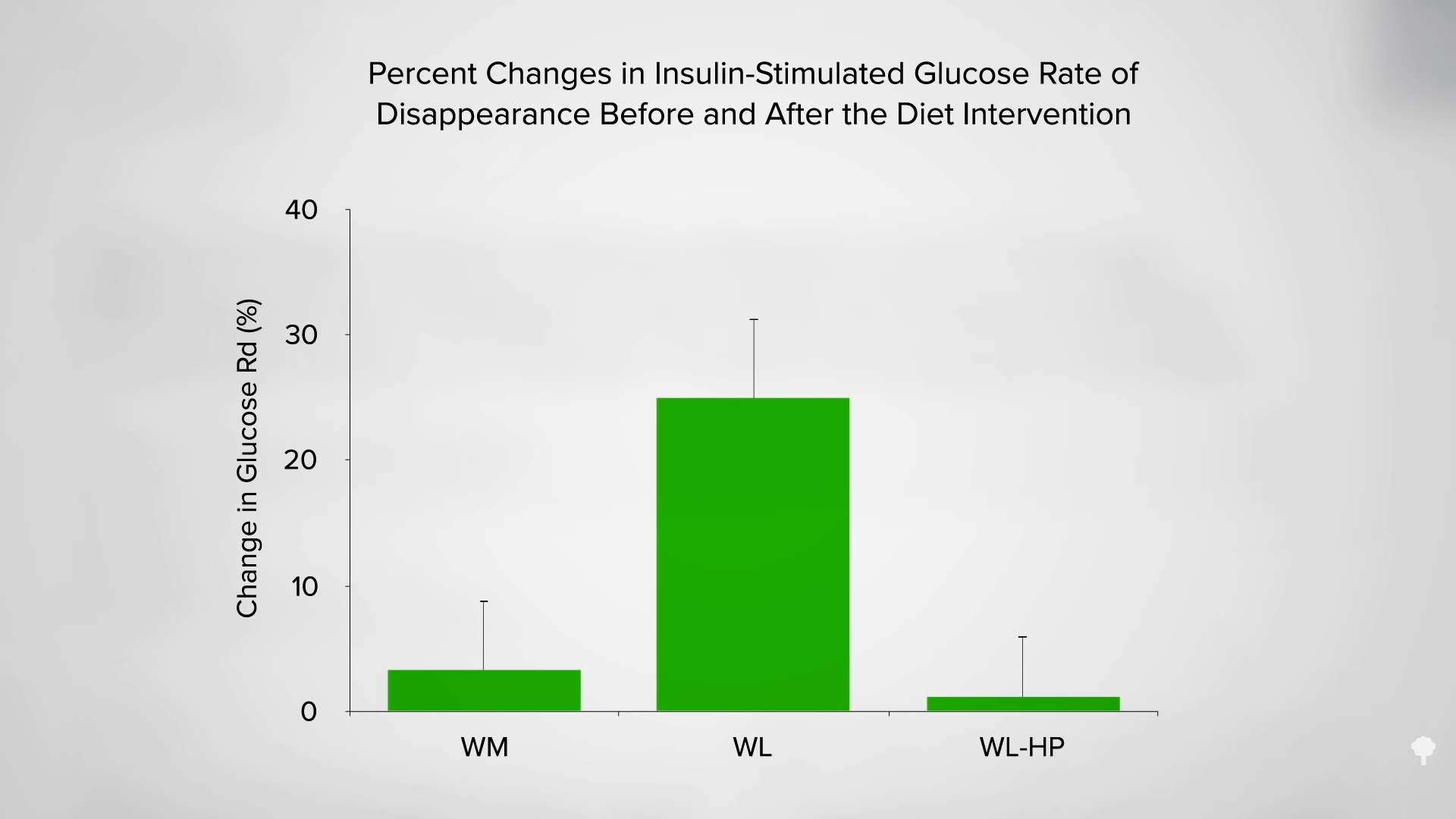
Unfortunately, high protein intake during weight loss has also been found to have “profound” negative metabolic effects, including undermining the benefits of weight loss on insulin sensitivity. As you can see in the graph below and at 2:14 in my video, if you lose 20 pounds, you can dramatically improve your body’s ability to handle blood sugars, compared to subjects in a control group who maintained their weight. But, if you lose the exact same amount of weight on a high-protein diet, getting about an extra 30 grams a day, it’s like you never lost any weight at all. 


Though you can always bulk back up after weight loss, the best way to preserve muscle mass during weight loss is to exercise. The CALERIE study had no structured exercise component, and, similar to bariatric surgery, about 30 percent of the weight loss was lean mass. In contrast, that proportion was only about 16 percent of The Biggest Loser contestants, chalked up to their “vigorous exercise program.” Resistance training even just three times a week can prevent more than 90 percent of lean body mass loss during calorie restriction. 
 
The same may be true of bone loss. Lose weight through calorie restriction alone, and you experience a decline in bone mineral density in fracture risk sites, such as the hip and spine. In the same study, though, those randomized to lose weight with exercise did not suffer any bone loss. The researchers concluded: “Our results suggest that regular EX [exercise] should be included as part of a comprehensive weight loss program to offset the adverse effects of CR [caloric restriction] on bone.” 
 
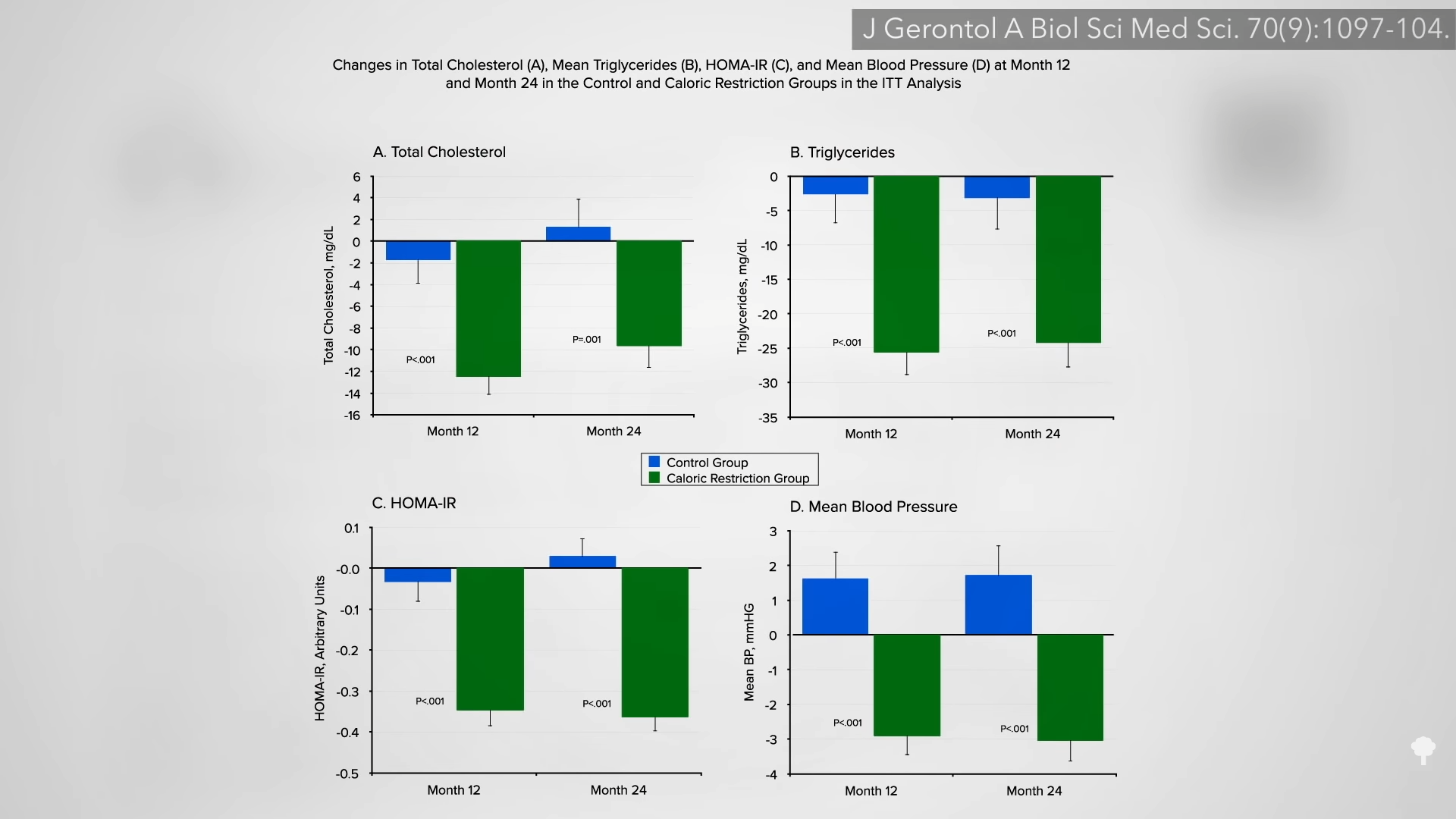
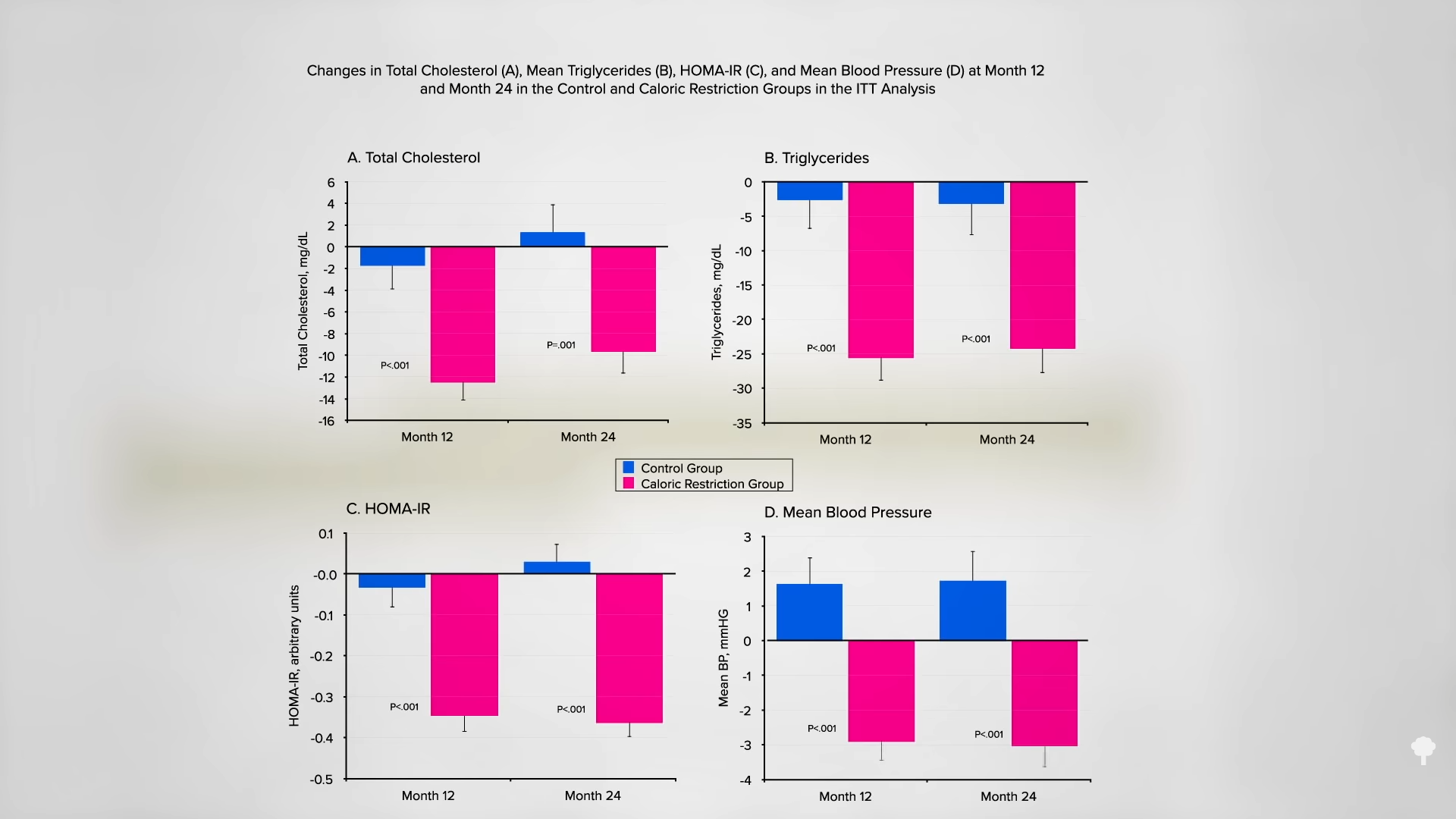
It’s hard to argue with calls for increased physical activity, but even without an exercise regimen, the “very small” drop in bone mineral density in the CALERIE trial might only increase a ten-year risk of osteoporotic fracture by about 0.2 percent. The benefits of calorie restriction revealed by the study included improvements in blood pressure and cholesterol, as you can see in the graph below and at 3:54 in my video, as well as improved mood, libido, and sleep. These would seem to far outweigh any potential risks. The fact that a reduction in calories seemed to have such wide-ranging benefits on quality of life led commentators in the AMA’s internal medicine journal to write: “The findings of this well-designed study suggest that intake of excess calories is not only a burden to our physical homeostasis [or equilibrium], but also on our psychological well-being.” 


Check out my other videos on calorie restriction, fasting, intermittent fasting, and time-restricted eating in the related videos below. 


from NutritionFacts.org https://ift.tt/nRw2oaB
via IFTTT

Crispy Baked Chicken Thighs

These crispy baked chicken thighs are always on rotation in my house, my go-to easy weeknight meal loaded with flavor and so juicy inside! Baked Chicken Thighs Whenever I need to whip up a quick family-friendly dinner, I make baked chicken thighs. I usually marinate them the night before for extra flavor, which is also

from Skinnytaste https://ift.tt/61gZNOT
via IFTTT

Restricting Calories for Longevity? 

Though a bane for dieters, a slower metabolism may actually be a good thing.

We’ve known for more than a century that calorie restriction can increase the lifespan of animals, and metabolic slowdown may be the mechanism. That could be why the tortoise lives ten times longer than the hare. Rabbits can live for 10 to 20 years, whereas “Harriet,” a tortoise “allegedly collected from the Galapagos Islands by Charles Darwin, was estimated to be about 176 years old when she died in 2006.” Slow and steady may win the race. 
 
As I discuss in my video The Benefits of Calorie Restriction for Longevity, one of the ways our body lowers our resting metabolic rate is by creating cleaner-burning, more efficient mitochondria, the power plants that fuel our cells. It’s like our body passes its own fuel-efficiency standards. These new mitochondria create the same energy with less oxygen and produce less free radical “exhaust.” After all, when our body is afraid famine is afoot, it tries to conserve as much energy as it can. 
 
Indeed, the largest caloric restriction trial to date found metabolic slowing and a reduction in free radical-induced oxidative stress, both of which may slow the rate of aging. The flame that burns twice as bright burns half as long. But, whether this results in greater human longevity is an unanswered question. Caloric restriction is often said “to extend lifespan in every species studied,” but that isn’t even true of all strains within a single species. Two authors of one article, for instance, don’t even share the same view: One doesn’t think calorie restriction will improve human longevity at all, while the other suggests that a 20 percent calorie restriction starting at age 25 and sustained for 52 years could add five years onto your life. Either way, the reduced oxidative stress would be expected to improve our healthspan. 
 
Members of the Calorie Restriction Society, self-styled CRONies (for Calorie-Restricted Optimal Nutrition), appear to be in excellent health, but they’re a rather unique, self-selected group of individuals. You don’t really know until you put it to the test. Enter the CALERIE study, the Comprehensive Assessment of Long-Term Effects of Reducing Intake of Energy, the first clinical trial to test the effects of caloric restriction. 
 
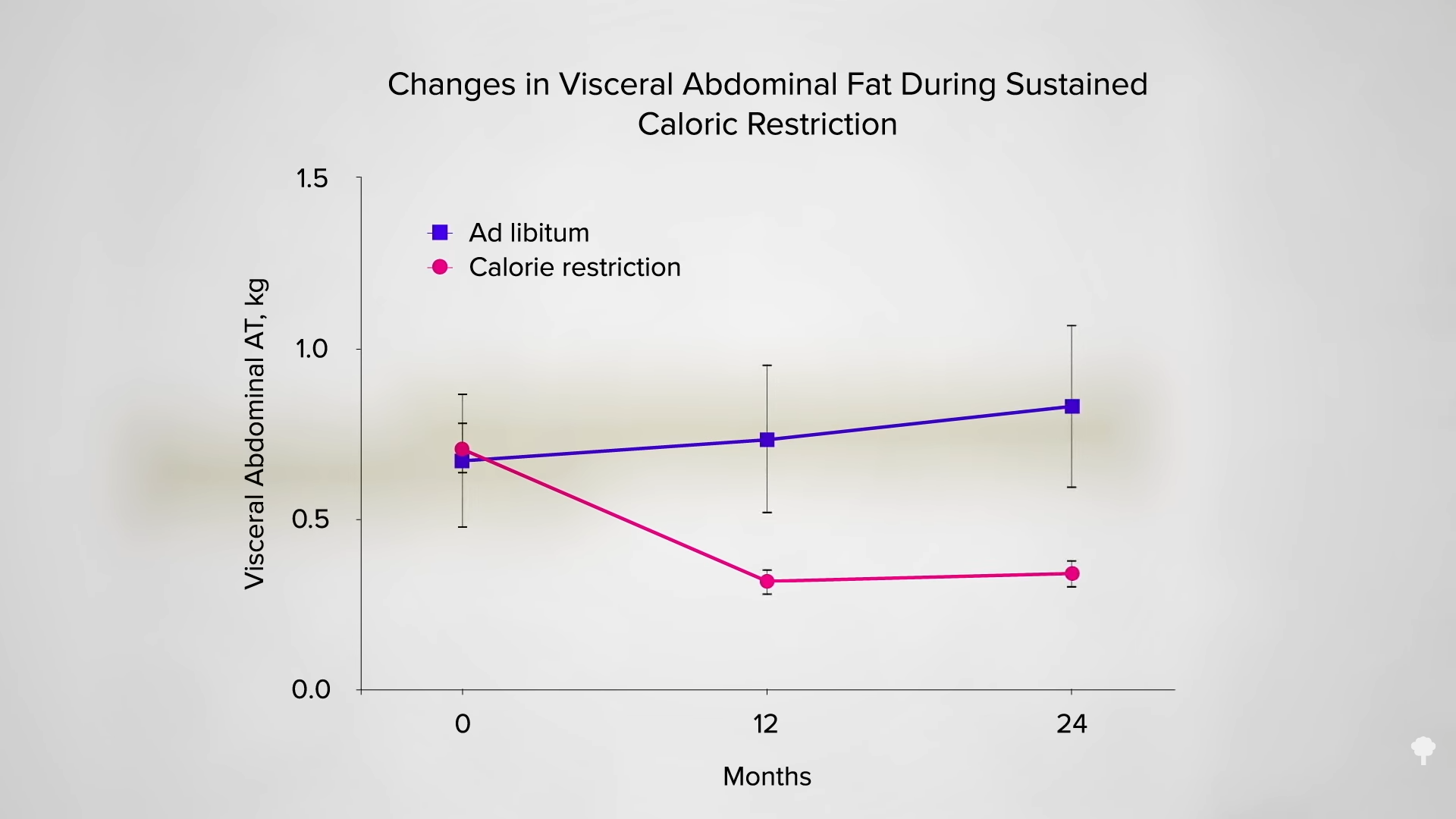
Hundreds of non-obese men and women were randomized to two years of 25 percent calorie restriction. They only ended up achieving half that, yet they still lost about 18 pounds and three inches off their waists, wiping out more than half of their visceral abdominal fat, as you can see in the graph below and at 2:47 in my video

That translated into significant improvements in cholesterol levels, triglycerides, insulin sensitivity, and blood pressure, which you can see in the graph below and at 2:52 in my video. Eighty percent of those who were overweight when they started were normal-weight by the end of the trial, “compared with a 27% increase in those who became overweight in the control group.” 
In the famous Minnesota Starvation Study that used conscientious objectors as guinea pigs during World War II, the study subjects suffered both physically and psychologically, experiencing depression, irritability, and loss of libido, among other symptoms. The participants started out lean, though, and had their calorie intake cut in half. The CALERIE study ended up being four times less restrictive, only about 12 percent below baseline calorie intake, and enrolled normal-weight individuals, which in the United States these days means overweight on average. As such, the CALERIE trial subjects experienced nothing but positive quality-of-life benefits, with significant improvements in mood, general health, sex drive, and sleep. They only ended up eating about 300 fewer calories a day than they had eaten at baseline. So, they got all of these benefits—the physiological benefits and the psychological benefits—just from cutting about a small bag of chips’ worth of calories from their daily diets. 
 
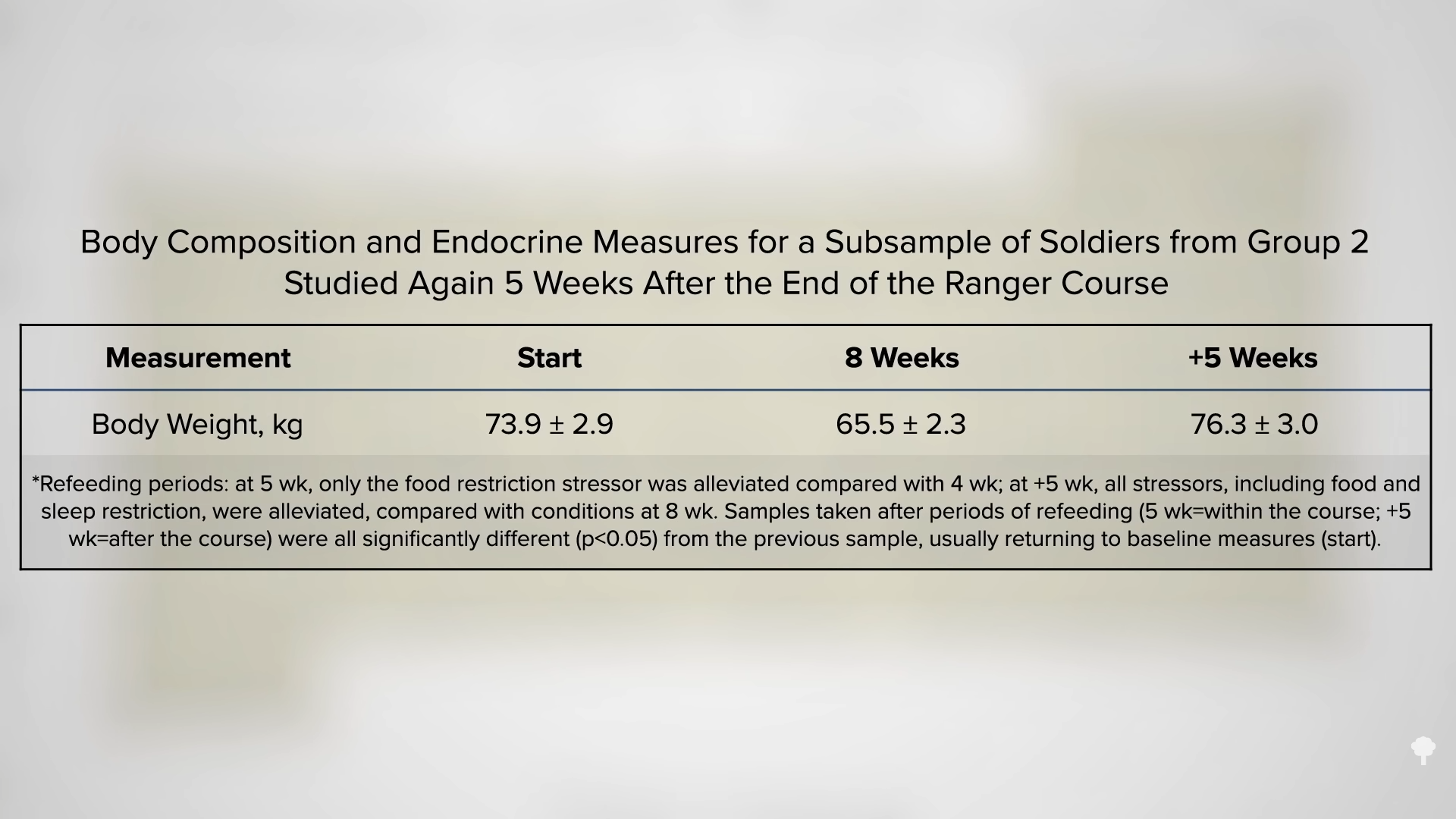
What happened at the end of the trial, though? As researchers saw in the Minnesota Starvation Study and in calorie deprivation experiments done on Army Rangers, as soon as the subjects were released from restriction, they tended to rapidly regain the weight and sometimes even more, as you can see below and at 4:18 in my video

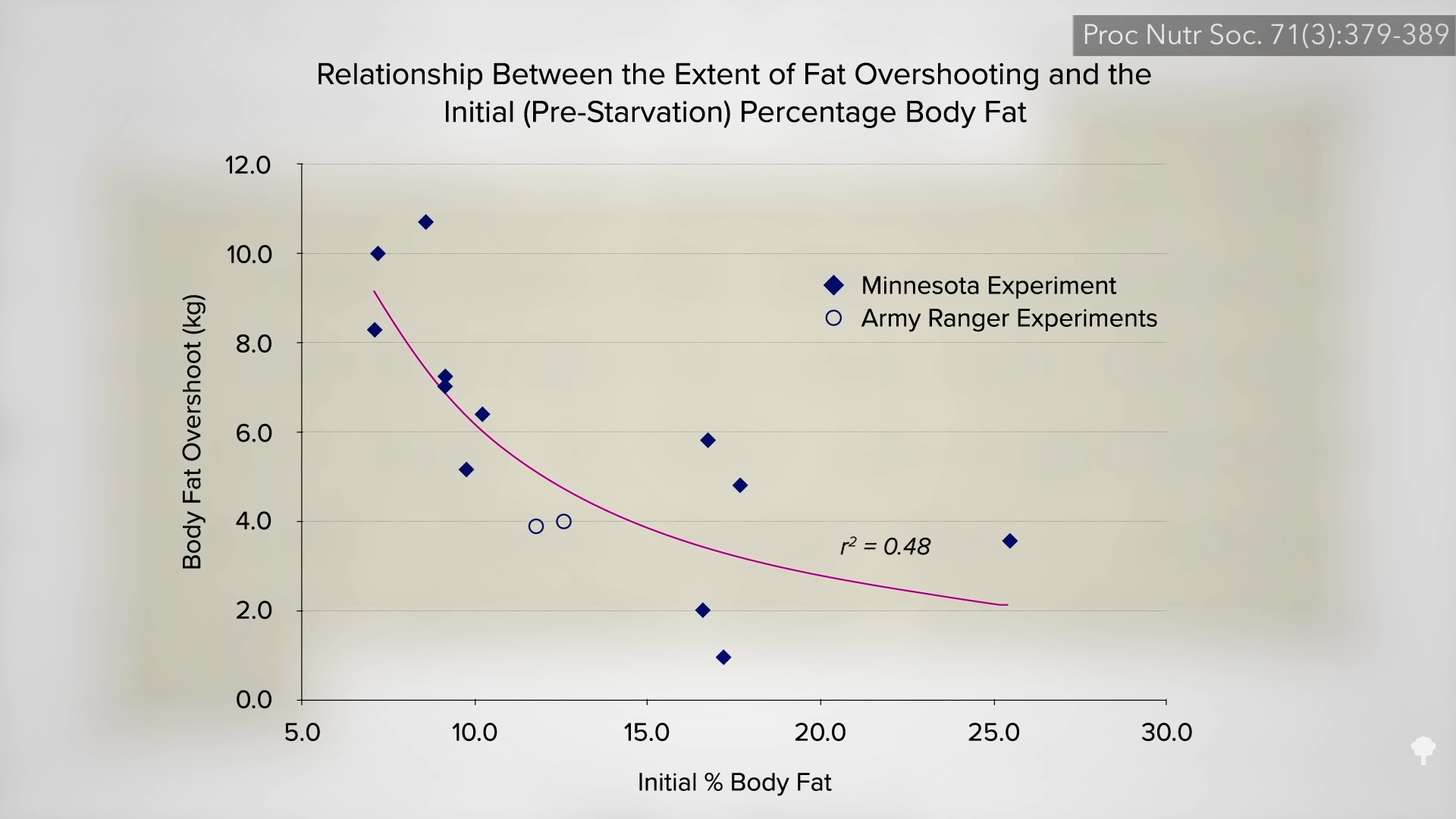
The leaner they started out, the more their bodies seemed to drive them to overeat to pack back on the extra body fat, as seen in the graph below and at 4:27 in my video. In contrast, after the completion of the CALERIE study, even though their metabolism was slowed, the participants retained about 50 percent of the weight loss two years later. They must have acquired new eating attitudes and behaviors that allowed them to keep their weight down. After extended calorie restriction, for example, cravings for sugary, fatty, and junky foods may actually go down. 
This is part of my series on calorie restriction, intermittent fasting, and time-restricted eating. See related videos below.

from NutritionFacts.org https://ift.tt/SD4ixGZ
via IFTTT

Free Skinnytaste Simple High-Protein Meal Plan

Kick off your 2024 health goals and download this FREE Skinnytaste Simple 4-Week High Protein Meal Plan! The Meal Plan comes with breakfast, lunch, snack, and dinner recipe suggestions and macros from the Skinnytaste Simple Cookbook and website. If you have my latest cookbook, I just wanted to give this to you for free, as a thank you!! About

from Skinnytaste https://ift.tt/e3FTGO6
via IFTTT

Design a site like this with WordPress.com
Get started