The Best Way to Cook Greens 

What is the best way to prepare dark green leafy vegetables, the most nutrient-dense foods on the planet? 

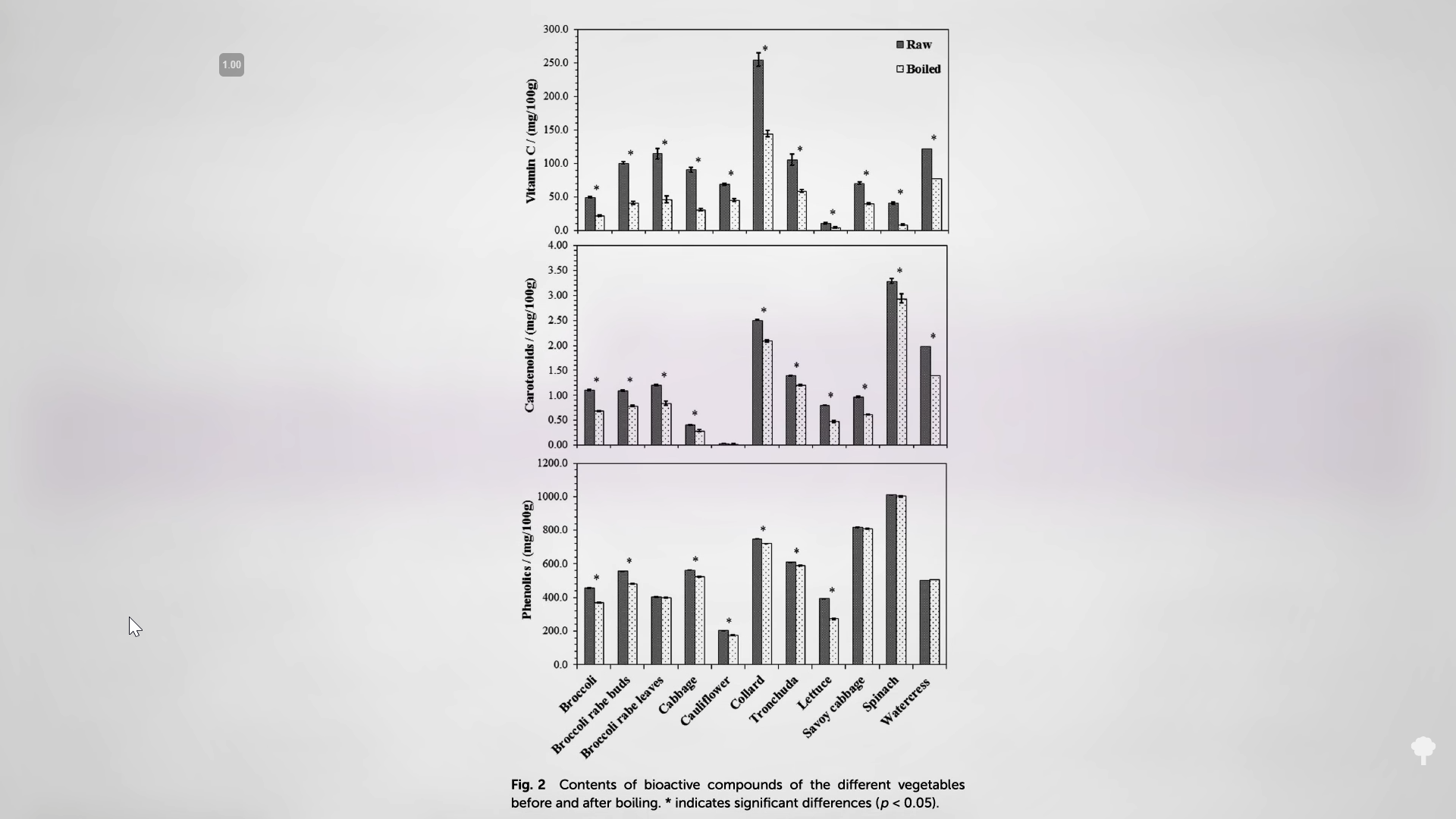
“The main purpose of cooking is to make vegetables more edible, palatable, and digestible…The downside is that cooking may adversely affect the levels of nutrients and bioactive compounds, especially the heat-sensitive and water-soluble ones.” But, as you can see in the graph below and at 0:19 in my video Flashback Friday: How to Cook Greens, even if you boil greens for ten minutes, the drop in antioxidant capacity, which is a rough proxy for phytonutrient retention, isn’t that much. Yes, there’s a significant 15 to 20 percent drop in each case, but most of the antioxidant power is retained. The single nutrient that drops the most is probably vitamin C, but data show that collard greens start out so rich in vitamin C that even when they’re boiled for ten minutes, they have twice as much vitamin C as raw broccoli.  
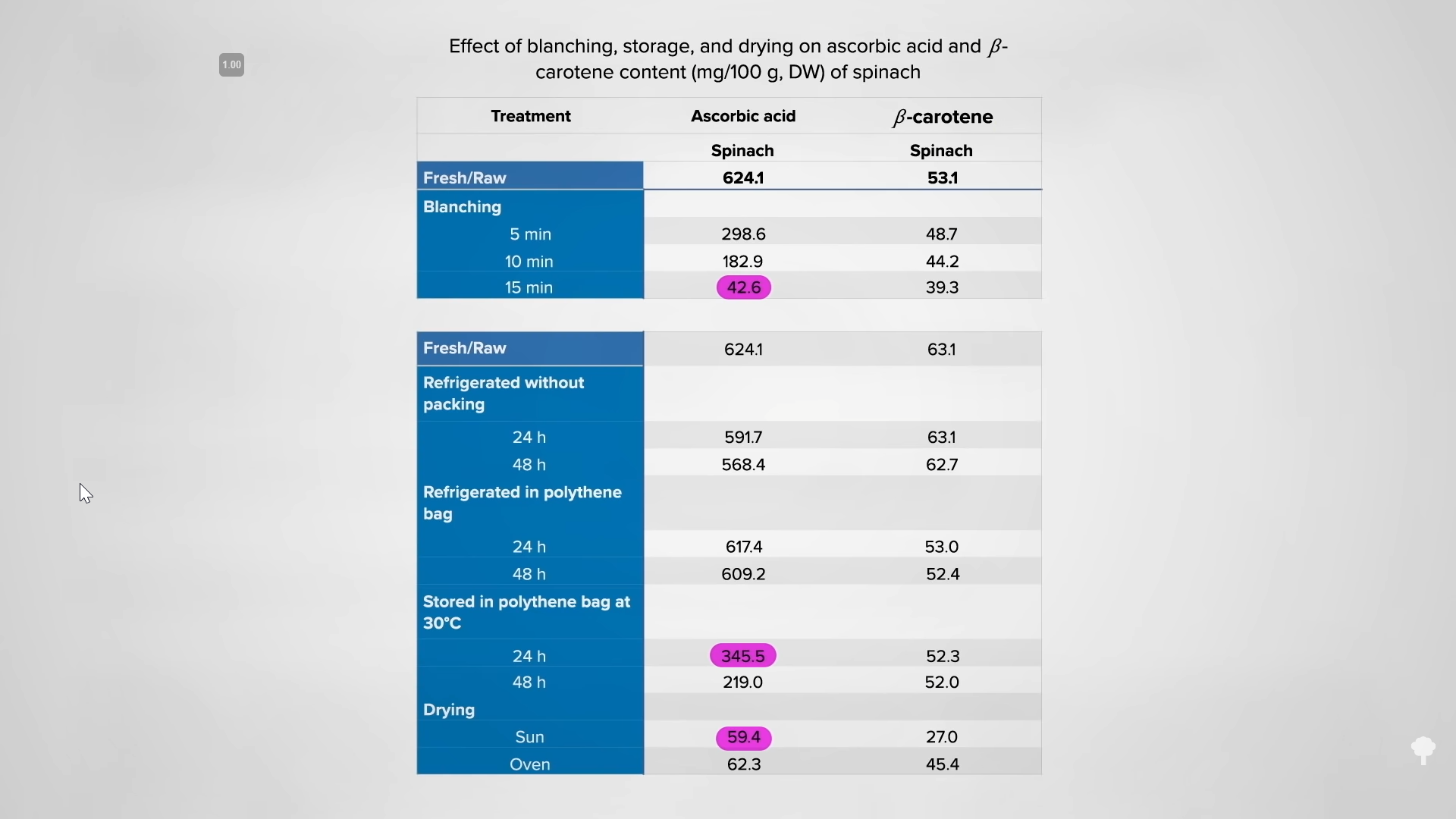
However, the vitamin C in spinach really takes a hit during cooking. Even blanching for just five minutes can cut vitamin C levels by more than half, with more than 90 percent dissolving into the water after 15 minutes, as you can see below and at 0:58 in my video. Most of the beta-carotene, which is fat soluble, tends to stay in the leaves, though. Keeping spinach in a regular plastic bag (like you may find in the produce aisle at your local market) can protect it. Refrigeration is important, too. Even when stored in a bag, a hot day can wipe out nearly 50 percent of the vitamin C in spinach. Drying is especially damaging, eliminating up to 90 percent of the vitamin C, which suggests that kale chips may pale in comparison to fresh kale. Vitamin C is particularly sensitive, whereas other nutrients, like beta-carotene, are less affected across the board. 
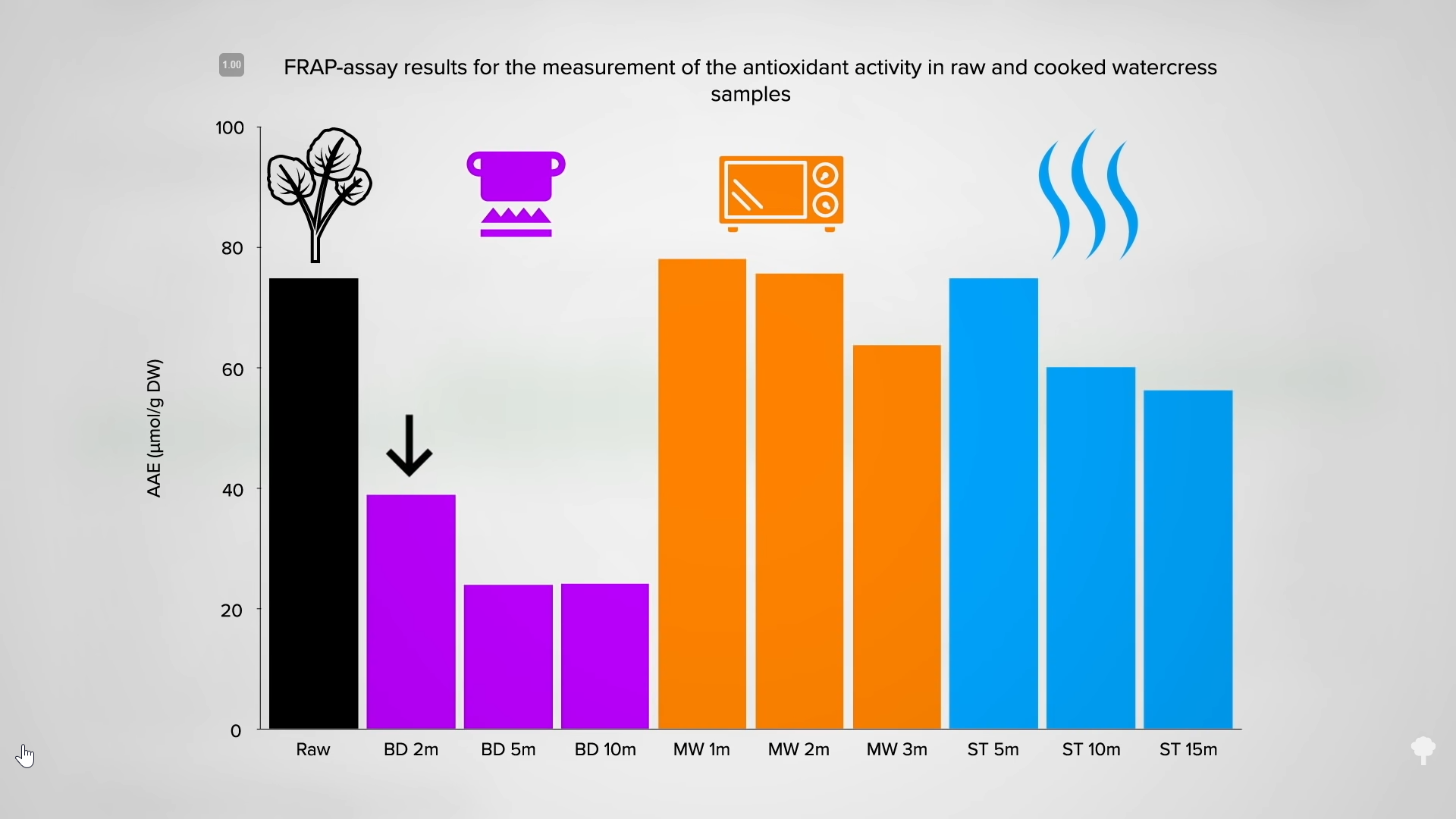
Microwaving and steaming watercress, for example, preserve more nutrients than boiling does. As you can see in the graph below and at 1:42 in my video, steaming or microwaving has little impact when compared to raw, though boiling for even two minutes may cut antioxidant levels nearly in half. Watercress is a cruciferous vegetable, a member of the cabbage and broccoli family, so it’s prized for its glucosinolate, which turns into the magical compound sulforaphane. What does cooking do to glucosinolate levels? As you can see below and at 2:06 in my video, while fresh is best, the data show that steaming has the least impact, microwaving comes in second, and stir-frying and boiling result in the most significant loss. The glucosinolates in other cruciferous vegetables are also significantly affected by boiling. Researchers have concluded that red cabbage is best consumed fresh. As I shared in my book How Not to Die, I always keep a red or purple cabbage in my crisper to cruciferize my meals, slicing off shreds and putting them on basically anything and everything. But if you are going to cook it, steaming may be the best bet “so as to retain the optimum benefits of the health-promoting compounds.”  
Other nutrients we look to greens for are eyesight-preserving nutrients like lutein and folate. Folate is particularly important for women of childbearing age, and vegetables are the main natural source. It’s been estimated that approximately half of the folate is lost during cooking, which may be true for boiling broccoli or stir-frying spinach or mustard greens, as you can see below and at 3:01 in my video. But, the folate in stir-fried kale holds up better, only losing about a quarter, similar to steamed broccoli florets. However, broccoli starts out so high in folate that even boiled broccoli has more folate than raw spinach. Broccoli leaves are an interesting case: Not only do they start out with among the highest levels of folate, but their levels actually go up a bit when you cook them. Prior to this study, no one had ever looked at the folate concentration in broccoli leaves. They’re commonly just cut off and thrown away, but since they contribute “great concentrations of this vitamin,” we should make sure to eat them. 
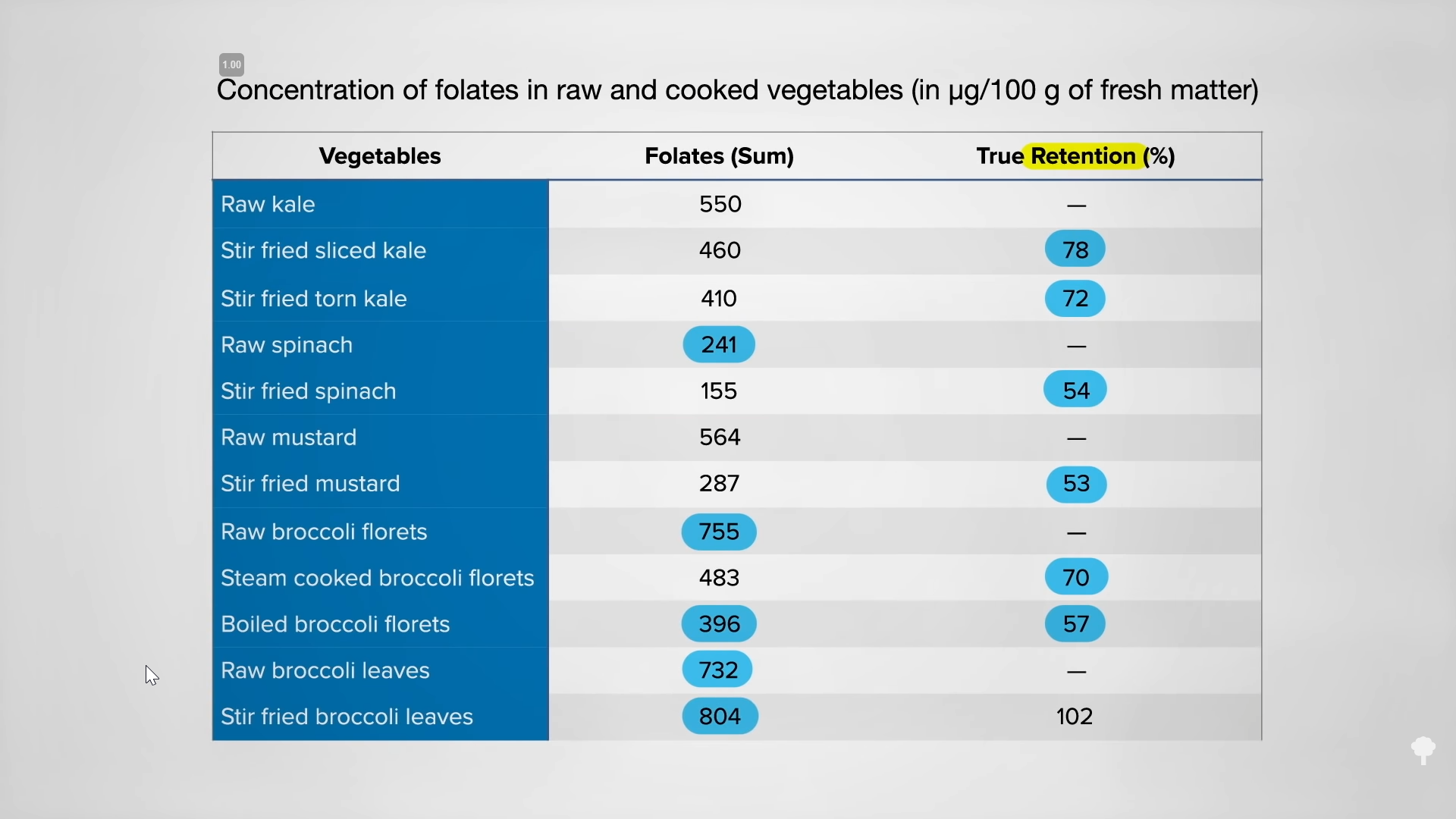
Researchers also compared thinly sliced kale to kale torn into larger pieces to determine if a larger surface area of exposure would promote greater losses of folate, but no effects were found, so slice away. This study just looked at stir-frying, though. What about the effect of other cooking methods on kale? There have been many studies on cooking cabbage and broccoli; however, very little information has been available on the “queen of greens”—until recently. 

First of all, the study compared fresh versus frozen. “The freezing process is generally regarded as destructive to antioxidant compounds. Frozen samples are assumed to have a lower antioxidant capacity compared to fresh ones,” but kale breaks all of the rules. The frozen kale showed 60 percent more antioxidant capacity than fresh! But what happens when you cook it? As you can see in the graph below and at 4:43 in my video, if you normalize the starting levels at 100 percent, blanching and steaming actually boost the antioxidant content, whereas microwaving or even boiling doesn’t have much negative impact. Therefore, you can boil kale without losing its antioxidant punch. I told you kale’s a rule breaker! 
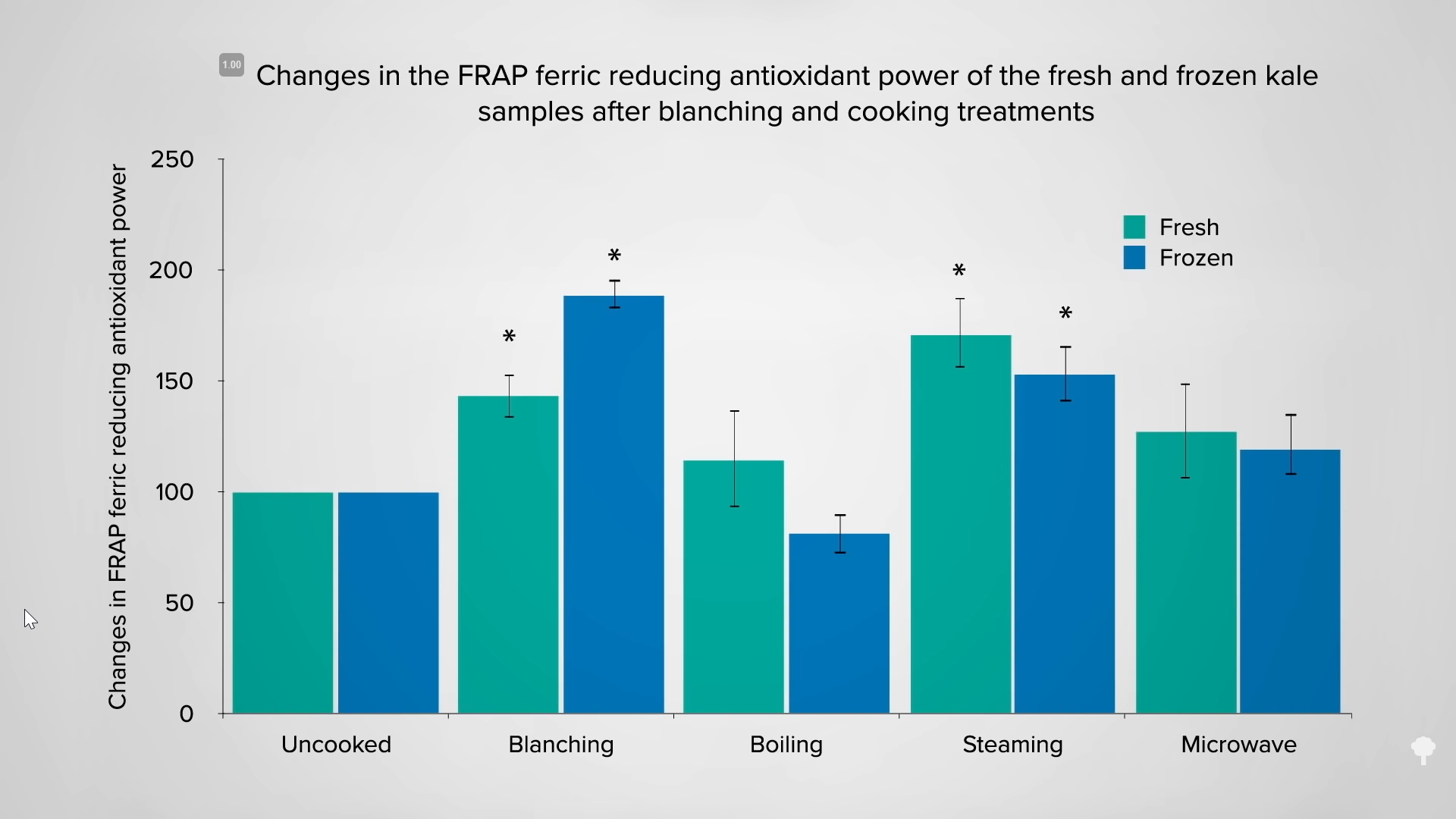
The heat associated with blanching and steaming can disrupt the plant cell walls and all of the little subcellular compartments and spill out extra antioxidant compounds that may have been hiding. Now that’s usually counterbalanced by losses caused by high temperatures, but the kale compounds look pretty cruciferocious by standing their ground. 

I often get questions about how to prepare certain foods to maximize their benefits, so I love it when I can bring you videos like this one and Flashback Friday: Best Way to Cook Vegetables. For more on optimum cooking methods and why it’s so important to eat greens every day, check the Related Videos below. 

If you have any concerns with microwaving, you may find my video Flashback Friday: Are Microwaves Safe? & The Effects of Radiation Leaking from Microwave Ovens informative. 

If you eat multiple cups of dark green leafy vegetables a day—as I hope we all do—it’s probably best to stick to low-oxalate ones to avoid the risk of kidney stones. Low-oxalate greens are basically any greens other than spinach, swiss chard, and beet greens. See my video Kidney Stones and Spinach, Chard, and Beet Greens: Don’t Eat Too Much to learn more. 

What about pressure cooking? (I’m looking at your Instant Pot.) Does Pressure Cooking Preserve Nutrients? 

from NutritionFacts.org https://ift.tt/hNgeKt4
via IFTTT
Skinnytaste Simple Cookbook: Free Bonus Pack plus 2 Exclusive Recipes with Pre-Order

I’m so exciting that in just a few short weeks my new cookbook Skinnytaste Simple will finally be hitting bookstores!! Skinnytaste Simple Bonus Pack This week, as an added bonus (and a thank you to everyone who has already pre-ordered the book), if you pre-order Skinnytaste Simple from your retailer of choice, you can download

from Skinnytaste https://ift.tt/PC735Uw
via IFTTT

Vegetable Charcuterie Board

Move over meat and cheese because veggie boards are healthy, impressive and easy-to-make for your next party! Vegetarian Charcuterie Board I love charcuterie boards and the idea of sitting around with family and friends and nibbling while chatting. When you want a healthier board, these veggie boards are the perfect snack for get-togethers. Much of what goes onto the

from Skinnytaste https://ift.tt/fi5OCTG
via IFTTT

Free 7 Day Healthy Meal Plan (Sept 4-10)

A free 7-day, flexible weight loss meal plan including breakfast, lunch and dinner ideas and a shopping list. All recipes include macros and Weight Watchers points. Free 7 Day Healthy Meal Plan (Sept 4-10) Looks like it’s almost time to break in those new lunch boxes! Check out these back to school recipes and this simple hack to get kids to eat healthy! Don’t

from Skinnytaste https://ift.tt/xXyd60C
via IFTTT

Crispy Oven Roasted Baby Potatoes

These are the best, crispy Roasted Baby Potatoes made with on a sheet pan with small baby potatoes, Italian seasoning, garlic powder, and grated cheese. Roasted Baby Potatoes I often make roasted potatoes in the oven by tossing all the ingredients in a bowl then roasting them in the oven. But my sister-in-law recently made

from Skinnytaste https://ift.tt/8ibGazD
via IFTTT

Are There Any Benefits of Flaxseed for Weight Loss? 

Were the flaxseed studies showing 20 pounds of weight loss just flukes? 

Canada now allows a health claim on the labels of products with flaxseeds, saying that we know with sufficient certainty that flaxseeds do indeed help lower cholesterol levels. The products must contain at least two tablespoons of ground flax and be relatively healthy in the first place, so they can’t boast about the cholesterol-lowering effects of flaxseed-enriched meatballs or something. 

Such claims are based on studies like one that I review in my video Benefits of Flaxseed Meal for Weight Loss: a double-blind, randomized, placebo-controlled trial that supplemented research subjects’ diets with flaxseeds. How do you come up with placebo food? There are placebo sugar pills for drugs, but how can you slip spoonsful of flax past someone? The researchers made special products—snack bars, muffins, bagels, and more—so the study participants would unknowingly be getting tablespoons of either ground flaxseeds or the control, whole wheat. And they did this for a year. No one knew who got which until the code was broken at the end. Their findings? The dietary flaxseed group saw a 15 percent reduction in LDL cholesterol as early as one month into the trial, but it only fell significantly lower than the whole-wheat group in those on cholesterol-lowering drugs. In whole-wheat group participants not on drugs, their cholesterol went down, too, diminishing the efficacy of the flax in comparison. You can see charts at 1:12 in my video. That’s why food placebos are so hard. 

In another trial, the researchers conducted an “open label” study, where the participants were aware they were eating flaxseeds, because they couldn’t come up with an inert placebo for flaxseed. Whole-wheat flour is a whole grain and could be beneficial in its own right, for instance, whereas white flour could make the control group look even worse. So, for this study, the researchers randomly assigned overweight participants to receive either lifestyle advice and daily ground flaxseeds or just the lifestyle advice alone as the control group. And, not surprisingly, body weight, waist circumference, and body mass index decreased significantly in both groups. (Even without lifestyle advice, simply enrolling people in a study where they know they’re going to keep getting weighed can get them to lose weight.) However, there was “a significantly greater reduction in [the] flaxseed group in comparison with controls.” And not just by a little. As you can see at 2:21 in my video, the control group that just got lifestyle advice lost nearly seven pounds and about an inch off their waist, while the group receiving the same advice plus spoonsful of flax a day—so, in effect, given more food to eat—lost more than 20 pounds on average and cut nearly four inches off their waist over the same period. Those are extraordinary numbers for an intervention that added rather than actively removed calories from the diet. Was it just a fluke? 

How about using flaxseed supplementation for non-alcoholic fatty liver disease? Thanks to the obesity epidemic, “it is the most common liver disease and now recognized as a major public health problem in contemporary society around the world.” The most common cause is a high-fat diet, but flaxseed fat may be better, compared to lard. Lard? Well, that’s not very helpful. Let’s put it to the test. 

As with the last study, participants received lifestyle modification advice with or without flaxseeds. They were told to mix the flaxseeds with water and juice and drink it down after breakfast. And? Their body weight went down, along with liver inflammation, and scarring and fat inside the liver in both groups, but the results were better in the flaxseed group. And again, there was that extraordinary 20-pound weight loss for the subjects told to add something (flaxseeds) to their diet, as you can see at 3:36 in my video. So, maybe that first study wasn’t a fluke—or maybe they both were. 

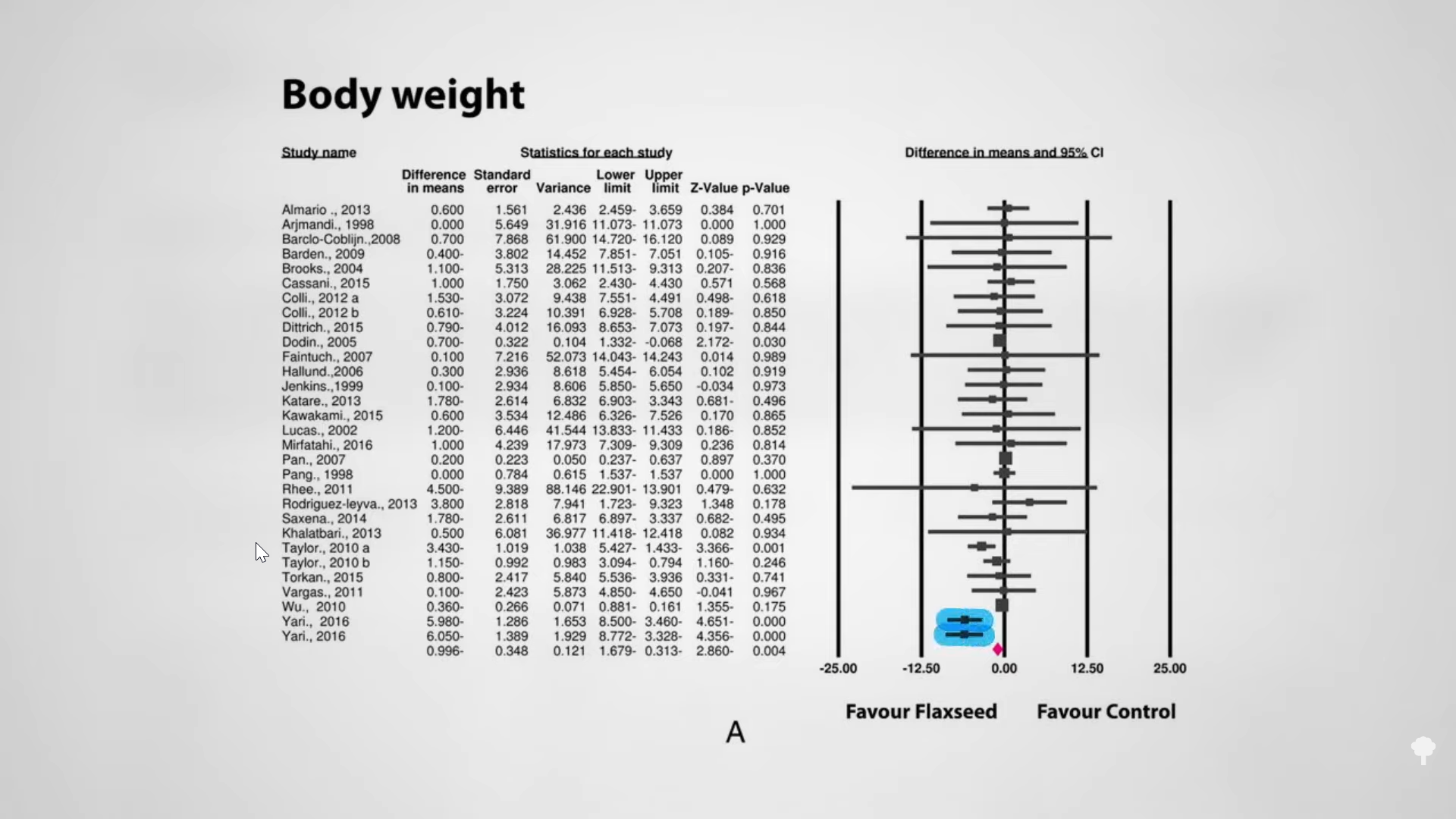
There have been dozens of randomized, placebo-controlled trials of flaxseeds and weight loss, and, as you can see in the graphic below and at 3.54 in my video, most were more equivocal. Those two recent 20-pound weight-loss studies appear to be the outliers. But still, after putting all of the studies together, you do see a significant reduction in body weight, BMI, and waistlines following flaxseed supplementation in randomized controlled trials, though one should expect more like 2 pounds of weight loss rather than 20 pounds. 

What else can flaxseeds do? So much! Check out the Related Videos below. 

What about the cyanide? Cyanide? See Friday Favorites: How Well Does Cooking Destroy the Cyanide in Flaxseeds and Should We Be Concerned About It?.

For more on weight loss, based on my book How Not to Diet, see the topic page here and the list of videos below. 

from NutritionFacts.org https://ift.tt/pZL7RO1
via IFTTT

Pasta with Creamy Zucchini Sauce

There’s no cream in this creamy pasta recipe. Instead, the roasted zucchini creates a delicious, creamy zucchini sauce over pasta. Perfect as a meatless main dish or as a side with your favorite protein! Pasta with Creamy Zucchini Sauce This easy Pasta with Creamy Zucchini Sauce is made with roasted zucchini, onions, garlic, and Parmesan

from Skinnytaste https://ift.tt/It0GS7E
via IFTTT

Salisbury Steak Meatballs (Instant Pot, Stove, Slow Cooker)

These salisbury steak meatballs are cooked in a light mushroom gravy, lightened up by using half ground turkey and half lean ground beef. Salisbury Steak Meatballs I’ve been dying to make these Salisbury Steak Meatballs which I adapted from my Salisbury Steak recipe. They are made in a light mushroom gravy, wonderful served over noodles,

from Skinnytaste https://ift.tt/0d34rOx
via IFTTT

The Best Duct Tape for Wart Removal 

Why do some experiments show that duct tape is ineffective for treating warts? 

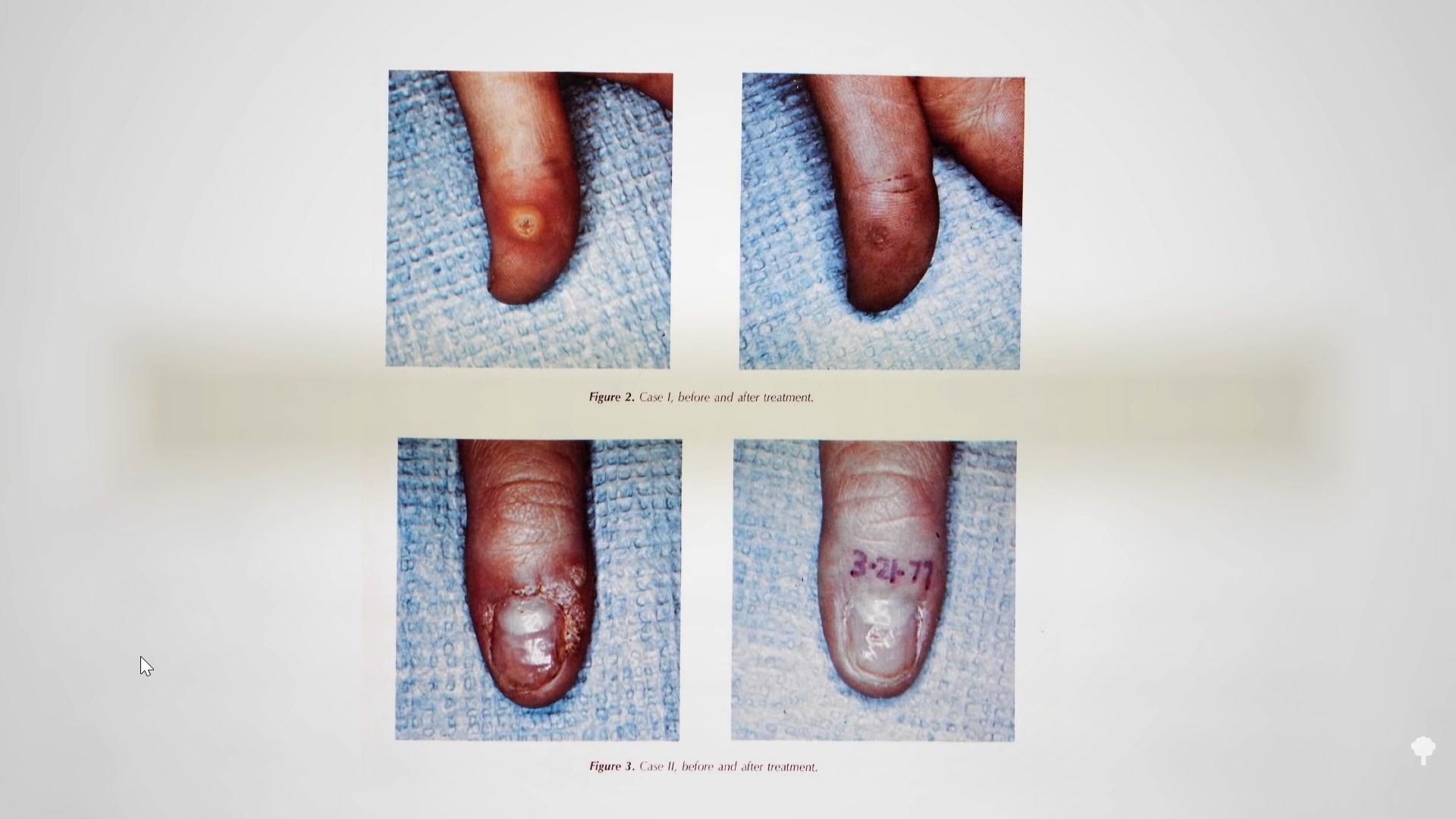
In 1978, a new approach for the treatment of warts was described, complete with compelling before-and-after pictures, as you can see below and at 0:13 in my video Which Type of Duct Tape Is Best for Wart Removal?. What was it? The application of adhesive tape was put to the test in a head-to-head trial of duct tape versus cryotherapy to resounding success. 

Even though it was a randomized, controlled study, it wasn’t a double-blinded one. “Patients in the duct tape group were instructed to remove all tape prior to making a return clinic visit,” so the nurses measuring the wart changes wouldn’t be biased one way or the other. Cryotherapy can cause redness, skin discoloration, crusting, and blisters, though, so the nurses may have had an idea which study participant was in which group, which may have biased them. 

So, ideally, there would be a double-blind, randomized, controlled trial, and here we go. Researchers disguised the duct tape so no one knew which study subject was in which group. Transparent duct tape was applied to the underside of moleskin, an opaque adhesive pad, and the control group got the moleskin without the duct tape. On the outside, both treatments looked the same, but half of the warts were exposed to duct tape and the other half were not. So, if there was something special about the duct tape adhesive, the duct tape group would triumph and the moleskin-only group would fail. If there was nothing special about duct tape and the remarkable success of that other study was simply due to covering warts with something sticky, then both groups would triumph. Instead, they both failed. Neither one did any better than placebo. 

The first double-blind, placebo-controlled trial investigating duct tape for the treatment of warts failed—in adults. Was that the problem? The subjects in the original duct tape study were mostly children, average age of 9, whereas in this study, the average age was 54. Warts in younger populations may be more amenable to treatment, so is it possible the reason duct tape worked in the first study but not the second, is that duct tape only works on kids and not adults? To determine that, you’d have to repeat the same kind of study with children as the subjects. 

Researchers randomized about a hundred schoolchildren to either duct tape applied to the wart or a corn pad placed around the wart as a placebo. Each group did something, but only one group had duct tape on their warts. In this case, the researchers used that same transparent duct tape so it wouldn’t be recognized. The result? After six weeks, the duct tape failed. “In this 6-week study, duct tape was no more effective than placebo.” 

And that’s where the medical community left it. If you look at recent reviews on whether it’s better to burn warts, freeze them, or duct tape them, duct tape is dismissed as being totally ineffective, which is totally understandable. No matter how good some original results are, if you duplicate the test in a bigger, better study and can’t replicate the results, then you have to assume the first study was just a fluke. 

But, did the researchers put the same thing to the test? Maybe adults weren’t the critical factor here. Maybe it was the transparent tape. In fact, “clear duct tape is not duct tape.” It turns out that “clear duct tape and moleskin both contain an acrylic-based adhesive, whereas standard silver duct tape contains a rubber-based adhesive,” which is totally different. “It is likely that the success of traditional duct tape is associated with the rubber-based adhesive that comes in direct contact with the wart during treatment.” After the two clear tape studies came out, it appears there is something unique in duct tape beyond just merely covering up a wart. And indeed, the latest addition to the body of evidence found that using actual duct tape was 80 percent effective versus cryotherapy’s 60 percent effectiveness. However, in this case, superglue was used so the duct tape would stick better. 

In conclusion, “odd as it may sound, duct tape is a legitimate and often effective treatment for common warts.” 

Don’t you love it when there are cheap, safe, side-effect-free solutions to common medical problems? One of the reasons I started NutritionFacts.org was to unearth all of the amazing medical knowledge that may languish in the scientific literature because there isn’t a hefty corporate budget driving its promotion. Everything we do here is free. No ads, no corporate sponsorships, no selling you anything. If you’d like to support our nonprofit work and help expand our team of researchers, please consider donating here. 

This video was the conclusion to a three-part series on duct tape and warts. If the missed the first two, see Duct Tape and Wart Removal and Can You Really Remove Warts with Duct Tape?. 

from NutritionFacts.org https://ift.tt/nYLbJNr
via IFTTT

Design a site like this with WordPress.com
Get started